
Sorry, nothing in cart.
Fenbendazole Explained: How It Works, Common Uses, Dosage, and Precautions
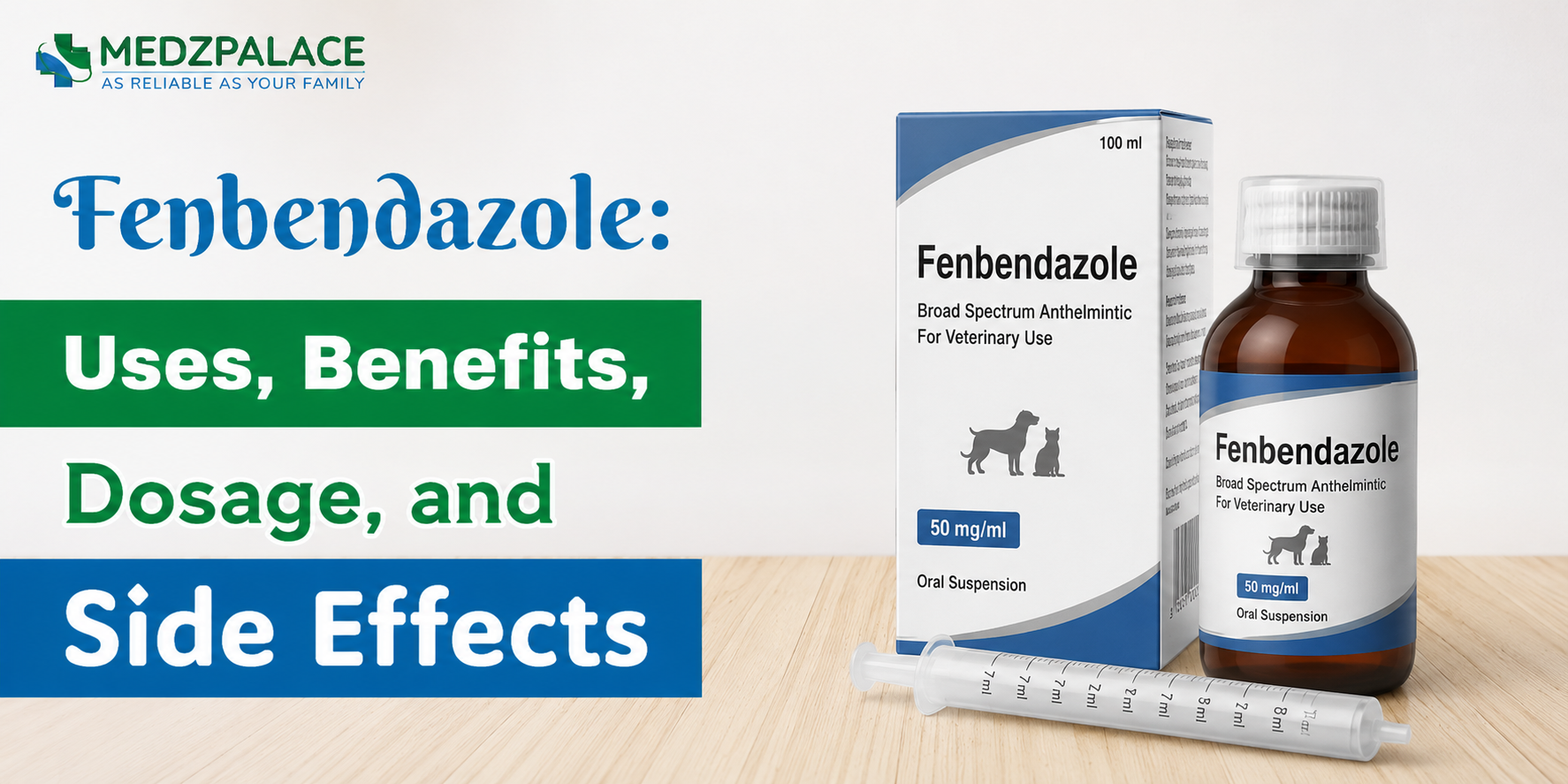
Fenbendazole is a broad-spectrum anthelmintic agent belonging to the benzimidazole class of compounds. Widely recognized and utilized in veterinary medicine for decades, it is valued for its efficacy against a wide range of gastrointestinal and respiratory parasites. In recent years, fenbendazole has also garnered significant attention for its potential applications in human medicine, most notably in investigational cancer research. This article provides a comprehensive clinical overview of fenbendazole, detailing its mechanism of action, established and emerging uses, standard dosage protocols, and essential safety precautions.
How Fenbendazole Works: The Mechanism of Action
The therapeutic effects of fenbendazole are rooted in its specific biochemical interactions within parasite cells. Its mechanism is both targeted and highly effective, providing a wide margin of safety in host animals.
Targeting Parasitic Microtubules
The primary mechanism of action for fenbendazole involves the disruption of microtubule structures within the cells of susceptible parasites. It selectively binds to a protein called beta-tubulin, a fundamental building block of microtubules. This binding process has several critical downstream effects:
- Inhibition of Microtubule Polymerization: By binding to beta-tubulin, fenbendazole prevents these proteins from assembling (polymerizing) into functional microtubules. Microtubules are essential components of the cellular cytoskeleton, responsible for maintaining cell shape, facilitating intracellular transport, and enabling cell division.
- Disruption of Cellular Functions: The collapse of the microtubule network paralyzes the parasite’s essential life-sustaining activities. This includes the inhibition of mitosis (cell division), which halts reproduction and growth.
- Impaired Nutrient Absorption: Microtubules are crucial for the absorption of glucose and other vital nutrients across the parasite’s intestinal cells. Fenbendazole-induced microtubule disruption effectively starves the parasite by cutting off its energy supply.
This cascade of cellular disruption ultimately leads to energy depletion, immobilization, and the eventual death and expulsion of the parasite from the host’s body.
Selective Toxicity
A key feature of fenbendazole and other benzimidazoles is their selective toxicity. They are significantly more harmful to parasites than to their mammalian hosts. This selectivity is attributed to fenbendazole’s much higher binding affinity for parasitic beta-tubulin compared to mammalian beta-tubulin. The structural differences between these proteins mean that the drug can effectively target and dismantle the parasite’s cellular machinery while leaving the host’s cells largely unaffected at standard therapeutic doses.
Metabolism and Excretion
Following oral administration, fenbendazole is poorly absorbed from the gastrointestinal tract. This limited systemic absorption is advantageous, as it allows the drug to remain concentrated within the gut where most target parasites reside. The small portion that is absorbed is metabolized primarily in the liver into two active metabolites: fenbendazole sulfoxide (oxfendazole) and fenbendazole sulfone. Both of these metabolites also possess anthelmintic properties, contributing to the drug’s overall efficacy. The parent drug and its metabolites are primarily excreted in the feces, with a smaller amount eliminated via urine.
Common and Investigational Uses of Fenbendazole
Fenbendazole’s applications span from routine veterinary care to the frontiers of experimental oncology.
Veterinary Medicine: The Gold Standard
In veterinary practice, fenbendazole is a first-line treatment for endoparasite infections in a vast range of animals, including canines, felines, livestock (cattle, sheep, goats), horses, and exotic species. Its broad-spectrum activity makes it effective against:
- Nematodes (Roundworms): Including Toxocara canis, Toxascaris leonina in dogs and cats.
- Hookworms: Such as Ancylostoma caninum and Uncinaria stenocephala.
- Whipworms: Particularly Trichuris vulpis in canines.
- Cestodes (Tapeworms): Effective against Taenia species. However, it is not effective against the common flea tapeworm, Dipylidium caninum.
- Protozoa: It is widely used off-label but effectively for the treatment of Giardia infections, especially in dogs and cats.
- Other Parasites: Including lungworms (Aelurostrongylus abstrusus in cats) and various strongyles in horses and livestock.
Human Medicine: Limited Applications
While fenbendazole is not a commonly prescribed anthelmintic for humans, other benzimidazoles with similar mechanisms, such as albendazole and mebendazole, are standard treatments for human parasitic infections. Fenbendazole has been studied for and could potentially be used to treat infections with Enterobius vermicularis (pinworm), Ascaris lumbricoides (roundworm), hookworms, and Trichuris trichiura (whipworm). However, its use in humans remains largely investigational, and FDA-approved alternatives are almost always preferred.
Emerging Research: Anticancer Properties
The most significant area of emerging interest is the potential use of fenbendazole as an anticancer agent. This interest stems from preclinical evidence (in vitro and animal studies) suggesting it may combat cancer cells through mechanisms that overlap with its antiparasitic action. It is crucial to emphasize that this is an area of ongoing research and is not an approved cancer treatment.
Proposed Anticancer Mechanisms:
- Microtubule Disruption: Similar to its effect on parasites, fenbendazole can disrupt microtubule formation in cancer cells. This action is analogous to established chemotherapy drugs like taxanes (e.g., paclitaxel) and vinca alkaloids (e.g., vincristine), which also target microtubules to arrest the cell cycle and induce apoptosis (programmed cell death).
- Inhibition of Glucose Metabolism: Cancer cells often exhibit high rates of glucose consumption (the Warburg effect). Studies suggest fenbendazole may interfere with glucose transporter proteins and key glycolytic enzymes, effectively starving cancer cells of their primary energy source.
- P53 Tumor Suppressor Activation: Some research indicates that fenbendazole may stabilize and activate the p53 protein. Known as the “guardian of the genome,” p53 is a critical tumor suppressor that can halt cell division and trigger apoptosis in response to cellular damage.
Despite these promising preclinical findings, there is a profound lack of large-scale, randomized, controlled human clinical trials to validate fenbendazole’s safety and efficacy as a cancer therapy. Self-treatment based on anecdotal reports is extremely dangerous and can lead to the abandonment of proven, life-saving medical care.
Dosage and Administration Guidelines
Dosage of fenbendazole varies significantly based on the species, target condition, and formulation.
Veterinary Dosage
In veterinary medicine, dosage is precise and based on the animal’s body weight. It is imperative to consult a veterinarian for an accurate diagnosis and prescription.
- For Dogs and Cats: A typical dose for common nematodes is 50 mg per kg (22.7 mg per lb) of body weight, administered orally once a day for three consecutive days.
- For Giardia Treatment: The same 50 mg/kg dose is often extended to 5-7 days of treatment.
- Formulations: It is available as granules (to be mixed with food), oral suspension, and paste, making administration adaptable to different animals.
Human Dosage (For Informational Purposes Only)
There is no standard, FDA-approved dosage for fenbendazole in humans for any condition. The dosages discussed in online communities, particularly for off-label cancer use, are derived from anecdotal reports and are not based on clinical evidence. The so-called “Joe Tippens protocol” often mentions a daily dose of 222 mg of fenbendazole. This protocol has not been scientifically validated for safety or effectiveness. Following such a regimen without medical supervision is strongly discouraged due to unknown risks and the potential for delaying effective, standard-of-care treatments.
Factors Influencing Dosage
Several factors must be considered when determining the correct dosage:
- Species: Metabolic rates and drug tolerance vary widely between animals and humans.
- Body Weight: Accurate dosing is critical to ensure efficacy while minimizing risk.
- Target Pathogen: The duration of treatment often depends on the life cycle of the specific parasite being targeted.
- Health Status: Individuals or animals with compromised liver or kidney function may require dose adjustments.
Safety Profile and Potential Precautions
Fenbendazole is generally considered safe with a high margin of safety, particularly when used as directed in veterinary species.
General Safety and Side Effects
Adverse effects are uncommon and typically mild. When they do occur, they may include:
- Gastrointestinal upset (vomiting, diarrhea)
- Loss of appetite
- Lethargy
In some cases, a sudden die-off of a heavy parasite burden can release toxins, leading to an inflammatory reaction that may be mistaken for a drug side effect. This is more common in heavily parasitized animals.
Potential Risks and Contraindications
- Liver Function: As fenbendazole is metabolized by the liver, caution should be exercised in patients or animals with pre-existing hepatic disease. Monitoring liver enzymes may be advisable during long-term use.
- Pregnancy and Lactation: Fenbendazole is generally considered safe for use in many pregnant animals, but robust data in pregnant humans is lacking. Consultation with a healthcare professional is essential.
- Allergic Reactions: Hypersensitivity to fenbendazole is rare but possible. Signs can include skin rashes, hives, or facial swelling.
The Dangers of Self-Medication
The rise in off-label human use, especially for cancer, carries significant risks:
- Lack of Quality Control: Veterinary-grade products are not manufactured under the same stringent regulations (cGMP) as human pharmaceuticals. They may contain impurities or have inconsistent dosages.
- Unknown Long-Term Effects: The long-term safety profile of daily fenbendazole use in humans is completely unknown.
- Risk of Delaying Proven Treatment: The greatest danger is that a patient might choose to use fenbendazole instead of, or as a delay to, evidence-based oncological treatments like chemotherapy, radiation, or immunotherapy, which could have a devastating impact on their prognosis.
Frequently Asked Questions (FAQs)
Is veterinary Fenbendazole the same as what would be used for humans?
While the active pharmaceutical ingredient (fenbendazole) is chemically identical, the final product is not. Human-grade pharmaceuticals must meet strict Current Good Manufacturing Practice (cGMP) standards for purity, potency, and consistency. Veterinary products are not held to these same rigorous standards and may contain different inactive ingredients or unknown impurities not safe for human consumption.
How long does Fenbendazole take to work?
Fenbendazole begins working within hours of administration by disrupting the parasite’s metabolism. However, a full course of treatment (typically 3 or more days) is necessary to ensure the elimination of parasites at various stages of their life cycle and to prevent re-infection from larval stages within the host.
Can Fenbendazole be taken with food?
Yes, and it is often recommended. Fenbendazole has poor water solubility and its absorption can be enhanced when administered with a fatty meal. In veterinary medicine, the granule formulation is specifically designed to be mixed with food to increase palatability and efficacy.
Is Fenbendazole a cure for cancer?
No. There is currently no robust scientific evidence from human clinical trials to support the claim that fenbendazole can treat or cure cancer. While preclinical research is exploring its potential, it is not an approved or recommended cancer therapy. Patients with a cancer diagnosis should only use treatments prescribed and monitored by a qualified oncologist.
Does Fenbendazole treat all types of worms?
Fenbendazole has a broad spectrum of activity but is not effective against all parasite species. For instance, it is generally ineffective against Dipylidium caninum (flea tapeworm) in dogs and cats, which requires a different medication like praziquantel. An accurate diagnosis from a veterinarian is essential to ensure the correct anthelmintic is chosen.
Medical Disclaimer: The information provided in this article is for educational and informational purposes only and does not constitute medical advice. It is not intended to be a substitute for professional medical consultation, diagnosis, or treatment. Always seek the advice of a qualified healthcare provider or veterinarian with any questions you may have regarding a medical condition or the health of an animal. Never disregard professional medical advice or delay in seeking it because of something you have read in this article.