
Sorry, nothing in cart.
Fenbendazole Explained: How It Works, Common Uses, Dosage, and Precautions
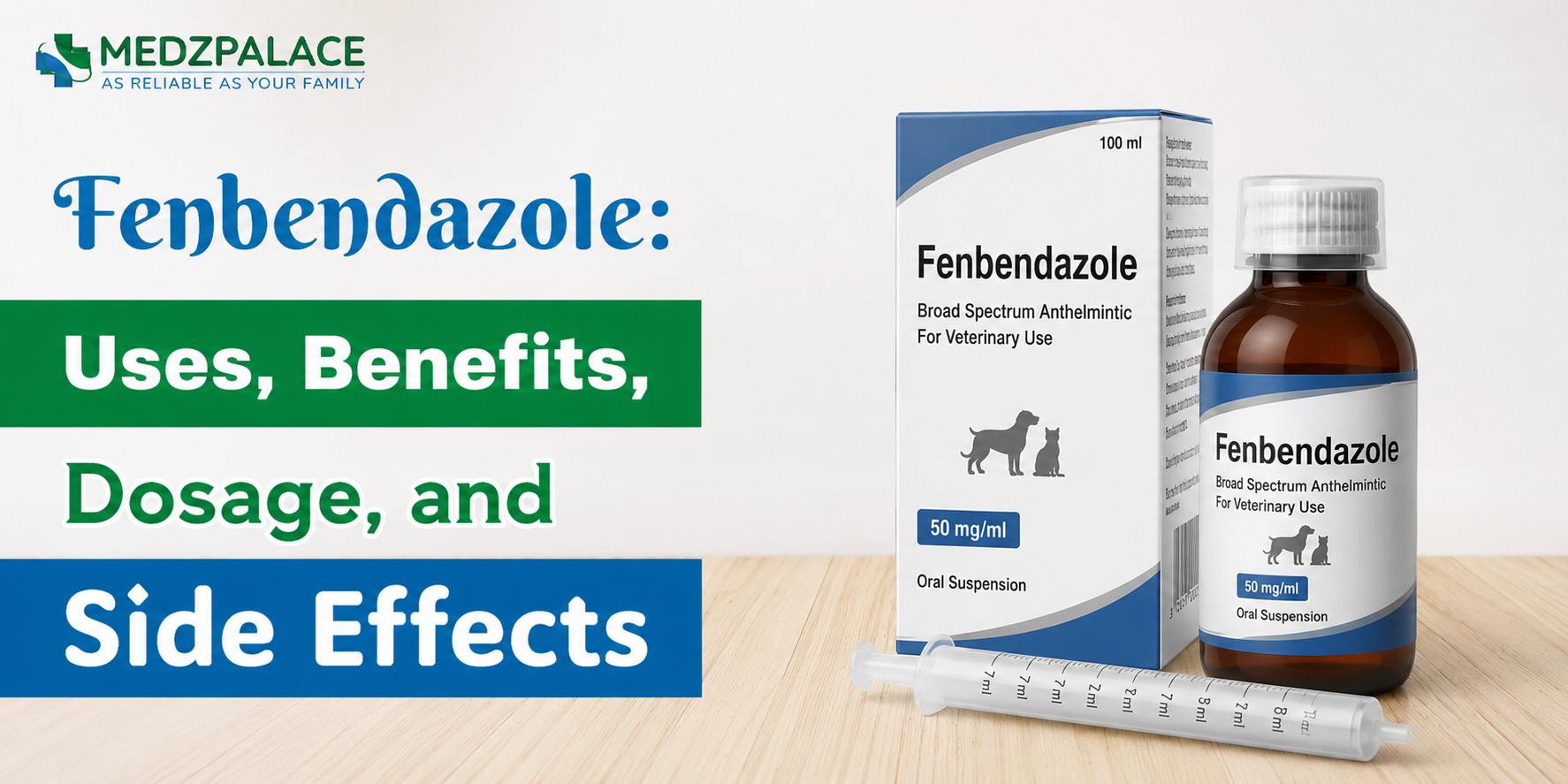
Fenbendazole is a broad-spectrum anthelmintic (anti-parasite) drug belonging to the benzimidazole class of compounds. While it is most widely known and approved for its use in veterinary medicine to treat a vast array of gastrointestinal parasites in animals like dogs, cats, horses, and livestock, it has garnered significant attention in recent years for its potential off-label applications in humans. This surge in interest is largely fueled by preclinical research and anecdotal reports suggesting its utility beyond deworming, most notably in the realm of oncology. This article provides a comprehensive clinical overview of fenbendazole, delving into its mechanism of action, established and investigational uses, dosage considerations, and crucial safety precautions.
How Does Fenbendazole Work? A Deep Dive into Its Mechanism of Action
The efficacy and relative safety of fenbendazole are rooted in its specific and targeted biochemical interactions. Its primary mode of action is shared with other members of the benzimidazole family, such as albendazole and mebendazole, but its unique properties are worth exploring in detail.
Targeting the Parasite’s Cytoskeleton
The principal mechanism by which fenbendazole exerts its anthelmintic effect is through the disruption of the cellular cytoskeleton. Specifically, it binds with high affinity to a protein called beta-tubulin. Tubulin proteins are the fundamental building blocks of microtubules, which are essential structural components within all eukaryotic cells.
Microtubules are critical for a variety of vital cellular functions, including:
- Cell Division (Mitosis): Microtubules form the mitotic spindle, the structure that pulls chromosomes apart into two new daughter cells. By disrupting microtubule formation, fenbendazole effectively halts cell replication.
- Intracellular Transport: They act as “highways” for motor proteins to transport organelles, vesicles, and other essential molecules throughout the cell.
- Nutrient Absorption: In intestinal parasites, microtubules are crucial for the absorptive cells of the gut to take in nutrients, particularly glucose, from the host.
When fenbendazole binds to the parasite’s beta-tubulin, it inhibits its polymerization into functional microtubules. This leads to a cascade of debilitating effects: the parasite can no longer divide, transport energy, or absorb glucose. This “starvation” and cellular arrest ultimately lead to gradual paralysis, death, and expulsion from the host’s body.
Selective Toxicity: Why It’s Safer for Mammals
A key feature of a successful antimicrobial or antiparasitic drug is selective toxicity—the ability to harm the invading organism without significantly harming the host. Fenbendazole exhibits excellent selective toxicity. While both mammals and parasites have beta-tubulin, the specific structure of the protein differs slightly. Fenbendazole has a binding affinity that is several hundred times greater for the beta-tubulin of helminths (worms) and protozoa (like Giardia) than it is for mammalian beta-tubulin. This means that at therapeutic doses, it effectively cripples the parasite’s cellular machinery while leaving the host’s cells largely untouched, which accounts for its high margin of safety in approved animal species.
Beyond Anthelmintic Effects: Exploring Other Potential Mechanisms
The interest in fenbendazole for oncology stems from the fact that its primary mechanism—microtubule disruption—is also a validated anti-cancer strategy. Chemotherapy drugs like paclitaxel (Taxol) and vincristine also target microtubules to halt the rapid division of cancer cells. Emerging research suggests fenbendazole may have additional anti-neoplastic effects:
- Glucose Metabolism Interference: Cancer cells are notoriously dependent on glucose for energy, a phenomenon known as the Warburg effect. By impairing glucose uptake, fenbendazole may selectively starve cancer cells in a manner similar to how it starves parasites.
- Induction of Apoptosis: Preclinical studies suggest fenbendazole can activate cellular pathways that lead to apoptosis, or programmed cell death. It appears to increase the expression of the tumor suppressor gene p53, which is a master regulator of cell death and is often mutated or inactivated in cancer.
- Reduction of Angiogenesis: There is some evidence that fenbendazole may inhibit the formation of new blood vessels that tumors need to grow and metastasize.
It is crucial to emphasize that these anti-cancer mechanisms are observed in laboratory (in vitro) and animal (in vivo) studies. They have not been confirmed through large-scale, randomized controlled trials in humans, which are the gold standard for clinical validation.
Common and Investigational Uses of Fenbendazole
Fenbendazole’s applications span from routine veterinary care to the frontiers of experimental human medicine. It’s essential to distinguish between its approved, evidence-backed uses and its off-label, investigational ones.
Veterinary Medicine: The Primary Application
In the veterinary world, fenbendazole is a workhorse medication valued for its efficacy and safety. It is used to treat and control internal parasites in a wide range of domestic and agricultural animals.
- Dogs and Cats: Commonly used to treat roundworms (Toxocara canis, Toxascaris leonina), hookworms (Ancylostoma caninum), whipworms (Trichuris vulpis), some tapeworms (Taenia pisiformis), and the protozoan parasite Giardia.
- Livestock (Cattle, Sheep, Goats): Effective against stomach worms (including Haemonchus and Ostertagia species), intestinal worms, and lungworms.
- Horses: Used to control large and small strongyles, pinworms, and ascarids.
- Exotic Animals: Its broad-spectrum activity makes it useful for treating parasites in reptiles, birds, and other exotic pets under veterinary guidance.
Off-Label Human Use for Parasitic Infections
While drugs like albendazole and mebendazole are the standard of care for human parasitic infections, fenbendazole is sometimes considered in specific, complex situations under strict medical supervision. This is an “off-label” use, meaning it is being used in a way not approved by regulatory bodies like the FDA. Its structural similarity to albendazole makes it a theoretical alternative for common infections like pinworm, roundworm, and hookworm, particularly in cases of resistance to standard therapies. However, due to the lack of human-specific clinical trial data, this remains an uncommon practice.
Exploring Fenbendazole in Oncology: A Controversial Frontier
The most discussed and controversial off-label use of fenbendazole is as a potential anti-cancer agent. This movement was largely popularized by anecdotal case reports, most famously the “Joe Tippens protocol,” which details a patient’s self-treatment regimen alongside conventional therapies. While preclinical data is intriguing, the clinical evidence is extremely limited.
The scientific community remains cautious for several reasons:
- Lack of Human Trials: There are no large, robust clinical trials to determine a safe and effective dose, measure its actual efficacy against different cancer types, or identify its full range of side effects in human cancer patients.
- Anecdotal Evidence is Unreliable: Individual case reports, while compelling, are not scientific proof. It is impossible to know if a positive outcome was due to the fenbendazole, the conventional treatments received simultaneously, a delayed effect of those treatments, or spontaneous remission.
- Risk of Delaying Proven Therapies: The greatest danger is that a patient might choose to use an unproven treatment like fenbendazole instead of, or in delay of, standard-of-care treatments like chemotherapy, radiation, or immunotherapy, which have been rigorously proven to save and extend lives.
Currently, fenbendazole’s role in oncology is purely investigational and should not be considered a substitute for professional medical care.
Understanding Fenbendazole Dosage and Administration
Dosage varies significantly depending on the species being treated, the target parasite, and the intended use. It is critical to differentiate between established veterinary protocols and speculative human protocols.
Veterinary Dosage Guidelines
In veterinary medicine, dosing is precise and based on the animal’s body weight. It’s crucial to consult a veterinarian for an accurate diagnosis and dosing regimen.
- For Dogs: The typical dose is 50 mg per kg (22.7 mg per lb) of body weight, administered once daily for three consecutive days. This course may need to be repeated for stubborn infections like whipworms or Giardia.
- For Cats: The dosage is similar to that for dogs, 50 mg/kg daily for three days.
- For Livestock: Dosing varies by species and delivery method (e.g., drench, paste, feed additive) and is calculated carefully to ensure efficacy and avoid meat/milk withdrawal periods.
Fenbendazole is available in several forms, including oral granules (often sprinkled on food), liquid suspensions, and pastes.
Human Dosage Protocols: A Look at Off-Label Use
DISCLAIMER: The following information is for educational purposes only and is based on anecdotal reports. It is not a recommendation or medical advice. Self-medicating with fenbendazole is potentially dangerous.
The most widely cited off-label human protocol involves the use of a veterinary granule formulation. A common dosage mentioned in these protocols is:
- Dose: 222 mg of fenbendazole powder once daily. This corresponds to 1 gram of the Panacur C 22.2% (222 mg/gram) formulation.
- Schedule: Often taken for three consecutive days followed by four days off, with this cycle being repeated.
- Administration: Fenbendazole is poorly soluble in water and has low bioavailability. It is recommended to be taken with a fatty meal or a source of fat (like MCT oil or fish oil) to significantly enhance its absorption into the bloodstream.
These protocols often include a cocktail of other supplements, such as vitamin E, curcumin, and CBD oil, with the unproven belief that they work synergistically. There is no clinical evidence to support these specific combinations or their safety.
Safety Profile and Potential Precautions
While generally considered safe in animals, the safety profile of fenbendazole in humans, especially with long-term use, is not well-established.
Common Side Effects (Primarily in Animals)
Fenbendazole is remarkably well-tolerated. When side effects do occur, they are typically mild and transient:
- Gastrointestinal upset (vomiting, diarrhea)
- Loss of appetite
- Lethargy
In some cases, these symptoms may result from the rapid die-off of a heavy parasite load (releasing toxins) rather than a direct effect of the drug itself.
Potential Side Effects and Risks in Humans
Human data is scarce, but potential risks can be extrapolated from its chemical cousins, like albendazole, and from theoretical concerns:
- Liver Toxicity: Benzimidazoles can cause an elevation in liver enzymes. While typically reversible, it necessitates monitoring of liver function (LFTs) for anyone considering long-term use.
- Bone Marrow Suppression: A rare but serious side effect of high-dose or prolonged albendazole therapy is neutropenia (a drop in white blood cells), which increases the risk of infection. This is a theoretical risk for fenbendazole as well.
- Gastrointestinal Issues: Nausea, abdominal pain, and diarrhea are possible.
- Allergic Reactions: As with any substance, hypersensitivity reactions are a possibility.
The Importance of Product Purity
A significant risk of using veterinary products is the difference in manufacturing standards. Human pharmaceuticals must adhere to strict Current Good Manufacturing Practices (cGMP) to ensure purity, potency, and freedom from contaminants. Veterinary products, especially those intended for livestock, may not be held to the same rigorous standards, posing a risk of unknown impurities being ingested.
Frequently Asked Questions (FAQs) About Fenbendazole
Is fenbendazole the same as albendazole or mebendazole?
No, they are distinct drugs, but they belong to the same chemical class (benzimidazoles) and share a primary mechanism of action (beta-tubulin inhibition). Albendazole and mebendazole are formulated and approved for human use and have been studied extensively in human populations.
Do I need a prescription for fenbendazole?
For veterinary use, many fenbendazole formulations are available over-the-counter. As it is not an approved human drug, a standard prescription cannot be written for it. Individuals using it off-label typically purchase the veterinary-grade product directly.
How should fenbendazole be stored?
It should be stored at controlled room temperature, away from excess moisture, heat, and direct sunlight. Keep it securely out of the reach of children and pets.
Can fenbendazole be used to treat cancer?
Fenbendazole is not an approved or proven cancer treatment. While laboratory research is promising and anecdotal reports are widespread, it has not undergone the rigorous human clinical trials necessary to confirm its safety and effectiveness. It should never be used as a replacement for standard, evidence-based cancer therapies prescribed by an oncologist.
Is it safe to take a veterinary drug like fenbendazole?
Taking a veterinary medication carries inherent risks. These include the potential for impurities due to different manufacturing standards, the difficulty in ensuring accurate dosing, and the lack of medical oversight to monitor for potentially serious side effects like liver damage or bone marrow suppression. This should only be considered under the guidance of a knowledgeable healthcare professional.
Conclusion and Medical Disclaimer
Fenbendazole is a well-established and highly effective anthelmintic medication in veterinary medicine, prized for its broad-spectrum activity and excellent safety profile in animals. Its mechanism of disrupting parasite microtubules is well understood. While this same mechanism has sparked significant interest in its potential as an anti-cancer agent, it is critical to recognize the current chasm between preclinical promise and clinical proof. The use of fenbendazole in humans for any condition remains off-label and investigational.
Medical Disclaimer: This article is for informational and educational purposes only and does not constitute medical advice. The information provided is not intended to be a substitute for professional medical advice, diagnosis, or treatment. Always seek the advice of your physician or other qualified health provider with any questions you may have regarding a medical condition. Never disregard professional medical advice or delay in seeking it because of something you have read in this article. Self-medication with veterinary products is not recommended and can pose significant health risks.