
Sorry, nothing in cart.
How to Control Blood Sugar Naturally
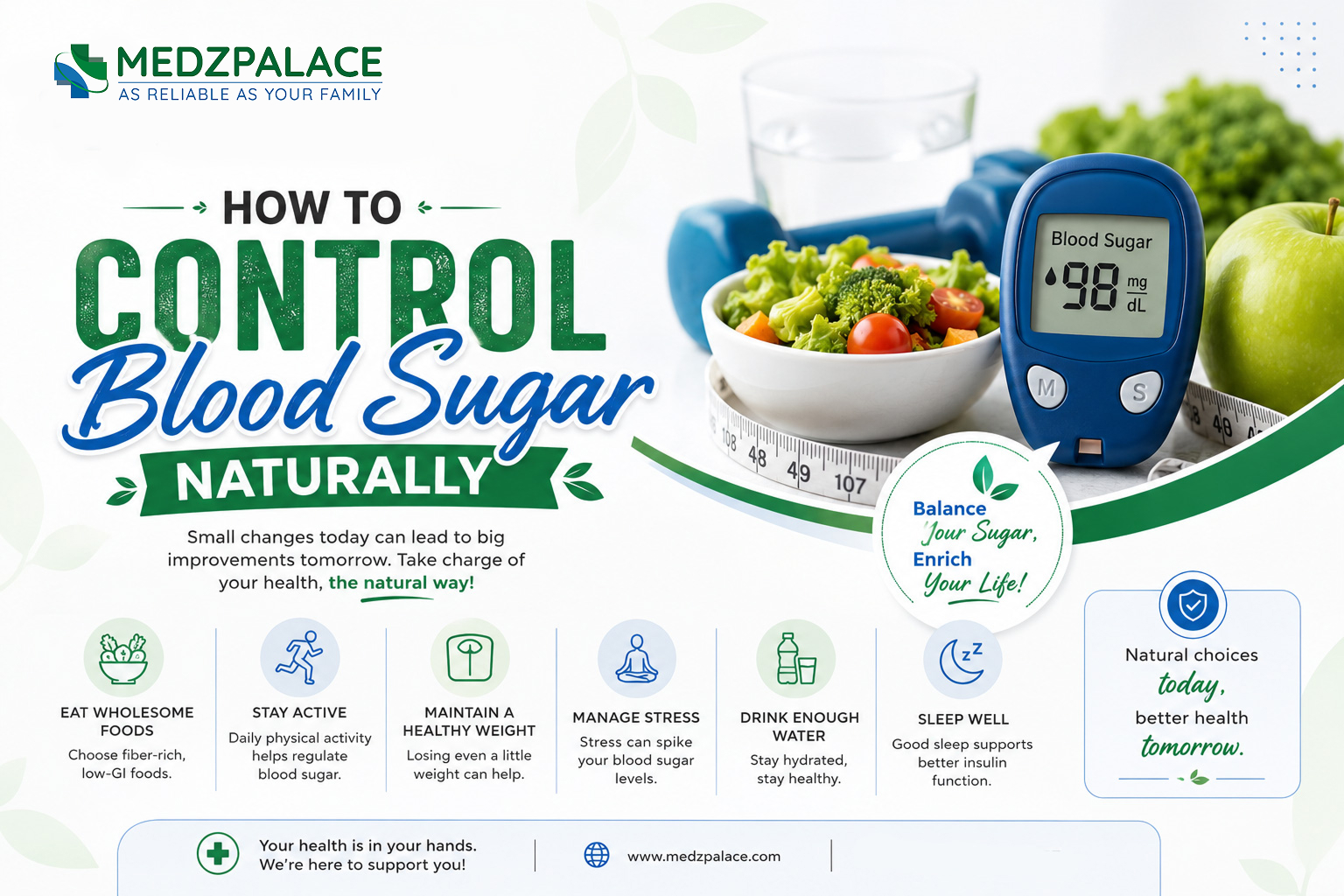
Maintaining stable blood sugar levels is a cornerstone of metabolic health, essential for energy, cognitive function, and preventing chronic diseases. When blood glucose levels are consistently high, it can lead to serious conditions like prediabetes and type 2 diabetes, along with a host of associated complications. While medical intervention is often necessary, a powerful array of natural, evidence-based strategies can significantly improve glycemic control. This comprehensive guide explores the lifestyle, dietary, and supplemental approaches you can adopt to manage your blood sugar naturally and effectively.
Understanding Blood Sugar (Glycemic) Control
Before diving into control strategies, it’s crucial to understand the basics of how your body manages glucose. Glucose is the primary fuel for your cells, derived from the carbohydrates you eat. The goal is not to eliminate glucose but to keep its level in the bloodstream within a tight, healthy range.
The Role of Insulin and Insulin Resistance
When you consume carbohydrates, they are broken down into glucose, which enters your bloodstream. This rise in blood glucose signals your pancreas to release a hormone called insulin. Insulin acts like a key, unlocking your cells to allow glucose to enter and be used for energy. This process lowers the amount of sugar in your blood.
Insulin resistance occurs when your cells stop responding effectively to insulin’s signal. Your pancreas tries to compensate by producing even more insulin, but eventually, it may not be able to keep up. This leads to persistently high blood sugar levels (hyperglycemia), a hallmark of prediabetes and type 2 diabetes.
What Are Normal Blood Sugar Levels?
For an individual without diabetes, typical blood sugar targets are:
- Fasting Blood Sugar (upon waking): Less than 100 mg/dL (5.6 mmol/L)
- Post-Prandial (2 hours after a meal): Less than 140 mg/dL (7.8 mmol/L)
Levels between 100-125 mg/dL fasting are considered prediabetic, while 126 mg/dL or higher on two separate occasions typically indicates diabetes. Consistently managing your levels is key to preventing the long-term damage caused by hyperglycemia.
Dietary Strategies for Natural Blood Sugar Management
Your diet is the most influential factor in blood sugar control. The type, quantity, and combination of foods you eat directly impact your glucose response. A strategic approach to nutrition is fundamental.
Prioritize Low-Glycemic Index (GI) Foods
The Glycemic Index (GI) is a scale from 0-100 that ranks carbohydrate-containing foods by how much they raise blood sugar levels. High-GI foods are digested quickly, causing a rapid spike and subsequent crash in blood sugar. Low-GI foods are digested more slowly, leading to a gentler, more sustained release of glucose.
- Low-GI Foods (Choose Freely): Non-starchy vegetables (leafy greens, broccoli, peppers), legumes (lentils, chickpeas), most fruits (berries, apples), nuts, seeds, and whole grains like steel-cut oats and barley.
- High-GI Foods (Limit or Avoid): White bread, white rice, sugary cereals, potatoes, sugary drinks, and processed snacks.
Focusing on a low-GI diet helps prevent sharp glucose spikes, reduces the insulin demand on your pancreas, and can improve insulin sensitivity over time.
Embrace Fiber-Rich Foods
Dietary fiber, particularly soluble fiber, is a superstar for blood sugar control. When soluble fiber mixes with water in your digestive tract, it forms a gel-like substance. This gel slows down the digestion and absorption of carbohydrates, which blunts the post-meal blood sugar rise.
Excellent sources of soluble fiber include:
- Oats and barley
- Legumes (beans, lentils, peas)
- Apples, citrus fruits, and berries
- Psyllium husk
- Flaxseeds and chia seeds
- Brussels sprouts and avocados
Aiming for 25-38 grams of total fiber per day is a great goal for most adults.
Balance Your Macronutrients
Never eat a “naked carb.” Consuming carbohydrates alone can lead to a quick glucose spike. By pairing carbohydrates with protein and healthy fats, you can significantly slow down digestion and create a more stable blood sugar response.
- Protein: Stimulates a modest insulin release without raising blood sugar, promotes satiety, and helps maintain muscle mass. Include sources like lean meats, poultry, fish, eggs, tofu, and legumes in every meal.
- Healthy Fats: Monounsaturated and polyunsaturated fats (found in avocados, olive oil, nuts, and seeds) do not raise blood sugar and can improve insulin sensitivity and cardiovascular health.
A balanced plate might look like this: a portion of grilled salmon (protein and fat), a serving of quinoa (low-GI carb and fiber), and a large side of steamed broccoli (fiber and nutrients).
Stay Hydrated with Water
Proper hydration is surprisingly important for glycemic control. Dehydration causes the glucose in your blood to become more concentrated, leading to higher readings. Furthermore, water helps your kidneys function optimally to flush out excess sugar through urine. Make water your primary beverage and strictly limit or eliminate sugar-sweetened drinks like soda, sweetened iced tea, and fruit juice.
The Critical Role of Physical Activity
Exercise is one of the most effective non-pharmacological tools for lowering blood sugar. Its benefits are two-fold and work both immediately and long-term.
How Exercise Lowers Blood Sugar
- Increased Insulin Sensitivity: Regular physical activity makes your cells more sensitive to insulin. This means your body needs to produce less insulin to effectively move glucose from your bloodstream into your cells. This effect can last for 24 hours or more after a workout.
- Insulin-Independent Glucose Uptake: During exercise, your muscles can take up glucose for energy without needing insulin at all. This provides an immediate blood sugar-lowering effect.
Types of Beneficial Exercise
A combination of different types of exercise provides the most comprehensive benefits.
- Aerobic Exercise: Activities like brisk walking, jogging, cycling, and swimming improve heart health and insulin sensitivity. Aim for at least 150 minutes of moderate-intensity aerobic activity per week, spread over several days.
- Resistance Training: Lifting weights, using resistance bands, or doing bodyweight exercises (like squats and push-ups) builds muscle mass. Since muscle is a primary site for glucose storage (as glycogen), having more muscle mass improves your body’s ability to clear sugar from the blood. Aim for 2-3 sessions per week on non-consecutive days.
A short, 10-15 minute walk after meals is also a highly effective strategy to lower the post-meal glucose spike.
Lifestyle Adjustments for Better Glycemic Control
Beyond diet and exercise, other daily habits play a significant role in your metabolic health.
Prioritize Quality Sleep
Chronic sleep deprivation is a major stressor on the body. Even a single night of poor sleep can decrease insulin sensitivity the next day. Lack of sleep increases levels of the stress hormone cortisol, which signals the liver to release more glucose into the blood. Aim for 7-9 hours of consistent, high-quality sleep per night. Establish a relaxing bedtime routine and optimize your sleep environment to achieve this.
Manage Stress Effectively
Like poor sleep, chronic psychological stress triggers the release of cortisol and adrenaline. These “fight or flight” hormones prepare your body for action by raising blood sugar levels to provide immediate energy. In modern life, where stress is often chronic rather than acute, this can lead to persistently elevated glucose. Incorporate stress-management techniques into your daily routine, such as:
- Mindfulness meditation
- Deep breathing exercises
- Yoga or Tai Chi
- Spending time in nature
- Engaging in hobbies you enjoy
Maintain a Healthy Weight
Excess body fat, especially visceral fat (fat around the abdominal organs), is a primary driver of insulin resistance. The good news is that even modest weight loss can have a profound impact. Losing just 5-7% of your body weight has been shown to dramatically improve insulin sensitivity and can even reverse prediabetes in many individuals.
Potentially Beneficial Supplements and Foods
While lifestyle changes are the foundation, certain supplements and functional foods may offer additional support. Crucially, you must consult with your healthcare provider before adding any new supplement to your regimen, as they can interact with medications and may not be appropriate for everyone.
- Cinnamon: Some studies suggest that cinnamon can improve insulin sensitivity by mimicking the effects of insulin and increasing glucose transport into cells. Both Cassia and Ceylon cinnamon have been studied, though Ceylon is often preferred due to its lower coumarin content.
- Berberine: This bioactive compound is extracted from several different plants. Research has shown that berberine can be highly effective at lowering blood sugar, with some studies finding its potency comparable to the prescription drug metformin. It works via multiple mechanisms, including improving insulin sensitivity and reducing glucose production in the liver. Medical supervision is essential when using berberine.
- Magnesium: This essential mineral is involved in over 300 enzymatic reactions, including glucose and insulin metabolism. Magnesium deficiency is strongly correlated with an increased risk of type 2 diabetes. Prioritize magnesium-rich foods like leafy greens, almonds, pumpkin seeds, and dark chocolate. Supplementation may be beneficial if a deficiency is identified.
- Apple Cider Vinegar (ACV): Consuming a small amount of ACV (e.g., 1-2 tablespoons diluted in water) before a high-carbohydrate meal may help improve insulin sensitivity and significantly lower the post-meal glucose response. Never drink it undiluted, as it can damage tooth enamel and the esophagus.
Frequently Asked Questions (FAQs)
Can I reverse prediabetes naturally?
Yes, for many people, prediabetes is reversible. Through intensive lifestyle modifications—including a healthy diet, regular physical activity, weight loss, and stress management—it is entirely possible to return blood sugar levels to the normal range and prevent the progression to type 2 diabetes. Consistency is the key to success.
How quickly can I lower my blood sugar with these methods?
Some effects are immediate. For example, a 15-minute walk after a meal can lower your blood sugar within the hour. Dietary changes can show results within days or weeks. However, long-term improvements in insulin sensitivity and stable glycemic control are the result of sustained effort over months. It’s a marathon, not a sprint.
Are “diabetic-friendly” or “sugar-free” foods always a good choice?
Not necessarily. Many products labeled “sugar-free” contain sugar alcohols (like sorbitol or maltitol) which can still impact blood sugar and cause digestive distress in some people. They may also contain refined starches or unhealthy fats. It’s always best to read the full nutrition label and focus on whole, unprocessed foods whenever possible.
Should I stop my medication if I start these natural strategies?
Absolutely not. Never stop or alter the dose of any prescribed medication without the explicit guidance of your doctor. Natural strategies should be seen as a powerful complement to your medical care, not a replacement. As your blood sugar control improves through lifestyle changes, your doctor may be able to adjust your medication dosage accordingly, but this must be done under their professional supervision.
Conclusion and Medical Disclaimer
Controlling your blood sugar naturally is an empowering journey that places your health back in your hands. A holistic approach that integrates a whole-foods, low-glycemic diet, consistent physical activity, quality sleep, and stress management provides a robust framework for achieving and maintaining metabolic wellness. These strategies work synergistically to improve your body’s own ability to regulate glucose, reducing your risk of chronic disease and enhancing your overall vitality.
Medical Disclaimer: The information provided in this article is for educational and informational purposes only and is not intended as medical advice. It is not a substitute for professional medical advice, diagnosis, or treatment. Always seek the advice of your physician or other qualified health provider with any questions you may have regarding a medical condition. Never disregard professional medical advice or delay in seeking it because of something you have read in this article.