
Sorry, nothing in cart.
Best Ways to Manage Asthma Effectively
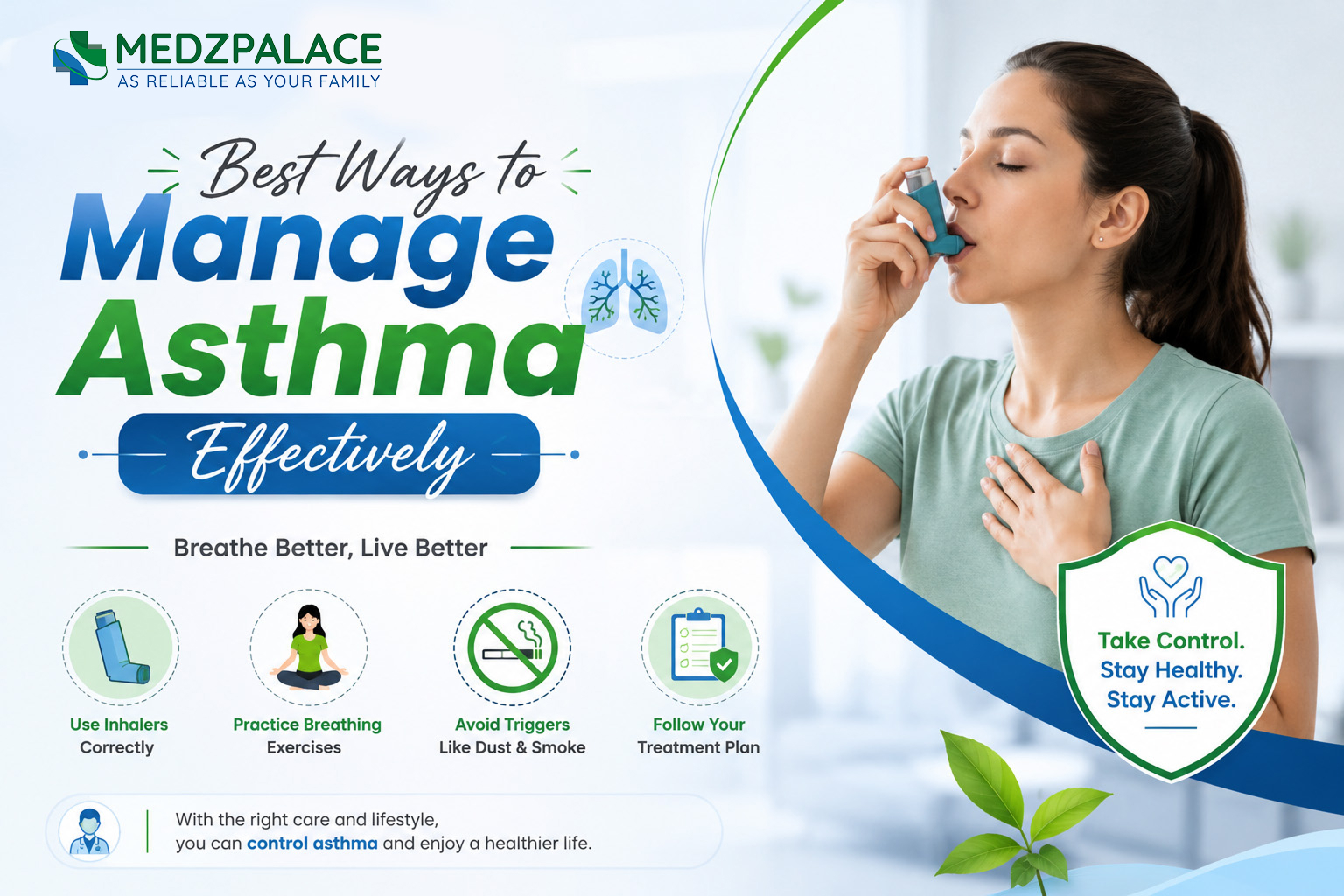
Asthma is a chronic respiratory condition affecting millions of people worldwide, characterized by inflammation and narrowing of the airways. While there is no cure for asthma, it is a highly manageable condition. Effective management is not just about reacting to symptoms but involves a proactive, comprehensive strategy to control inflammation, prevent flare-ups, and maintain a high quality of life. This guide provides a detailed clinical overview of the best practices and strategies to manage asthma effectively, empowering you to take control of your respiratory health in partnership with your healthcare provider.
Understanding Asthma: The Foundation of Control
Before diving into management techniques, it’s crucial to understand the nature of asthma. It is a chronic inflammatory disease of the airways leading to the lungs. This underlying inflammation makes the airways hypersensitive to various triggers. When exposed to a trigger, the airways react in three ways: the lining becomes more inflamed and swollen, the muscles around the airways tighten (bronchoconstriction), and excess mucus is produced, further clogging the passages. This combination leads to the classic symptoms of an asthma attack.
The Primary Goals of Asthma Management
Effective asthma management, often referred to as “asthma control,” aims to achieve several key objectives. Working with your doctor, the goal is to create a plan that allows you to:
- Live a full and active life with no limitations on physical activity.
- Prevent chronic and bothersome symptoms such as coughing and shortness of breath.
- Maintain good lung function, as close to normal as possible.
- Minimize the need to use a quick-relief (rescue) inhaler to less than twice a week.
- Prevent severe asthma attacks (exacerbations) that require emergency room visits or hospitalization.
- Experience minimal or no side effects from asthma medications.
Developing a Personalized Asthma Action Plan
The single most important tool in managing asthma is a personalized Asthma Action Plan (AAP). This is a written, individualized worksheet developed collaboratively between you and your healthcare provider. It details your daily treatment, such as which medications to take and when, and provides clear instructions on how to handle worsening symptoms or a full-blown asthma attack. An effective AAP is typically divided into three zones, modeled after a traffic light system.
The Three Zones of an Asthma Action Plan
Green Zone: Doing Well
This is your “all clear” zone. It means your asthma is under good control. In this zone, you typically have:
- No coughing, wheezing, chest tightness, or shortness of breath.
- The ability to perform all your usual activities.
- A peak flow reading of 80% to 100% of your personal best.
Action: Continue taking your long-term controller medications as prescribed every day, even when you feel well. These medications are what keep you in the Green Zone.
Yellow Zone: Getting Worse / Caution
This zone is a warning that your asthma is worsening. You may be experiencing a flare-up or an exacerbation that requires a temporary increase in your medication. Signs of the Yellow Zone include:
- Symptoms like coughing, wheezing, or chest tightness.
- Waking up at night due to asthma symptoms.
- Decreased ability to perform usual activities.
- Needing to use your quick-relief inhaler more often than usual.
- A peak flow reading between 50% and 79% of your personal best.
Action: Follow the specific instructions in your AAP for this zone. This usually involves adding or increasing certain medications, such as using your quick-relief inhaler and possibly increasing the dose of your inhaled corticosteroid. Your plan will also specify when to call your doctor if your symptoms do not improve.
Red Zone: Medical Alert!
This zone indicates a severe asthma attack and is a medical emergency. The symptoms are serious and can be life-threatening. Signs of the Red Zone include:
- Severe shortness of breath, with difficulty walking or talking.
- Constant coughing or wheezing.
- Quick-relief medications are not providing relief, or the relief lasts for less than four hours.
- Lips or fingernails turning blue or gray.
- A peak flow reading below 50% of your personal best.
Action: Take your rescue medication as directed by the emergency section of your AAP and seek immediate medical help. This means calling 911 or going to the nearest emergency room.
The Cornerstone of Treatment: Asthma Medications
Medication is central to controlling asthma. The medications are broadly categorized into two groups: long-term controllers and quick-relief rescuers.
Controller (Long-Term) Medications
These are the most important medications for most people with persistent asthma. They are taken daily on a long-term basis to control the underlying inflammation in the airways, thereby preventing symptoms and attacks. They do not provide immediate relief.
- Inhaled Corticosteroids (ICS): Considered the most effective long-term control therapy. They reduce inflammation, swelling, and mucus production in the airways. Examples include fluticasone (Flovent), budesonide (Pulmicort), and beclomethasone (Qvar).
- Long-Acting Beta-Agonists (LABAs): These bronchodilators help open the airways for up to 12 hours. They are almost always used in combination with an ICS in a single inhaler (e.g., Advair, Symbicort, Dulera). LABAs should never be used alone for asthma treatment.
- Leukotriene Modifiers: These are oral medications that block the action of leukotrienes, which are chemicals involved in the inflammatory response. The most common is montelukast (Singulair).
- Biologics: These are newer, injectable medications for individuals with severe, uncontrolled asthma of a specific type (e.g., eosinophilic or allergic asthma). They target specific cells or proteins in the immune system.
Quick-Relief (Rescue) Medications
These medications are used as needed for rapid, short-term relief of symptoms. They work quickly to relax tightened muscles around the airways.
- Short-Acting Beta-Agonists (SABAs): These are the most common rescue medications, providing relief within minutes that lasts for 4-6 hours. Albuterol (ProAir, Ventolin) is the most well-known.
- Ipratropium (Atrovent): This is a short-acting anticholinergic that is sometimes used as an additional bronchodilator, particularly in the emergency room setting.
A critical note: If you find yourself needing your quick-relief SABA inhaler more than two days a week (not including pre-treatment for exercise), it is a clear sign that your asthma is not well-controlled, and you should consult your doctor to adjust your long-term controller therapy.
Proper Inhaler Technique is Vital
Even the best medication is ineffective if it doesn’t reach the lungs. It is essential to learn and practice the correct technique for your specific inhaler device (e.g., metered-dose inhaler, dry powder inhaler). Using a spacer or valved holding chamber with a metered-dose inhaler can significantly improve drug delivery to the airways and reduce side effects. Always ask your doctor, pharmacist, or respiratory therapist to demonstrate the correct technique and to check yours regularly.
Identifying and Avoiding Asthma Triggers
A key part of proactive asthma management is identifying the specific factors that trigger your symptoms and taking steps to avoid or minimize your exposure to them.
Common Environmental Triggers
- Allergens: For people with allergic asthma, common allergens include dust mites (use allergen-proof mattress and pillow covers), pet dander (keep pets out of the bedroom), pollen (stay indoors with windows closed on high-pollen days), mold (fix leaks and reduce humidity), and cockroach droppings.
- Irritants: Airborne irritants can provoke asthma symptoms in anyone. These include tobacco smoke (the most important irritant to avoid), wood smoke, strong perfumes, cleaning agents, chemical fumes, and air pollution.
- Weather: Cold, dry air can be a powerful trigger. Breathing through a scarf in winter can help warm and humidify the air. Sudden changes in temperature or high humidity can also cause issues for some.
Other Common Triggers
- Respiratory Infections: Viral infections like the common cold and influenza (flu) are among the most common causes of asthma flare-ups. Getting an annual flu shot is highly recommended.
- Exercise (Exercise-Induced Bronchoconstriction – EIB): Physical activity is important for everyone, including those with asthma. For EIB, symptoms typically begin several minutes into exercise. Using a SABA inhaler 15-20 minutes before exercise can prevent symptoms.
- Stress and Strong Emotions: Intense emotions like laughing, crying, or stress can lead to changes in breathing patterns that may trigger asthma symptoms.
- Medications: Some people with asthma are sensitive to aspirin, nonsteroidal anti-inflammatory drugs (NSAIDs) like ibuprofen, and beta-blockers (often used for heart conditions or high blood pressure).
- Gastroesophageal Reflux Disease (GERD): The reflux of stomach acid into the esophagus can irritate the airways and worsen asthma, especially at night.
Monitoring Your Asthma: Staying in Control
Regularly monitoring your asthma helps you and your doctor know if your treatment plan is working. This involves tracking your symptoms and, for many, using a peak flow meter.
Symptom Tracking
Keeping a simple diary can be invaluable. Note any symptoms you experience, how often you use your rescue inhaler, any nighttime awakenings due to asthma, and any potential triggers you were exposed to. This information provides a clear picture of your asthma control over time.
Using a Peak Flow Meter
A peak flow meter is a simple, handheld device that measures your Peak Expiratory Flow (PEF), or how fast you can blow air out of your lungs after a full inhalation. It can detect narrowing of the airways hours or even days before you feel symptoms. Your doctor will help you establish your “personal best” PEF, and your Asthma Action Plan zones will be based on percentages of this number. Consistent use can provide an early warning system, allowing you to take action before a minor flare-up becomes a major attack.
Lifestyle Modifications for Better Asthma Management
While medication and trigger avoidance are primary, certain lifestyle habits can support better overall respiratory health.
- Maintain a Healthy Weight: Obesity is linked to more severe and difficult-to-control asthma. Losing excess weight can improve lung function and reduce symptoms.
- Eat a Balanced Diet: A diet rich in fruits, vegetables, and whole grains, and low in processed foods, supports overall health. Some studies suggest that antioxidants and certain vitamins may have a protective effect.
- Stay Physically Active: With a proper management plan in place, regular exercise strengthens your heart and lungs, improves stamina, and helps maintain a healthy weight.
- Practice Breathing Exercises: Techniques like diaphragmatic (belly) breathing and the Buteyko method can help improve breathing efficiency and may help some individuals manage their symptoms, but they are complementary therapies and not a substitute for prescribed medication.
Frequently Asked Questions (FAQs)
Can asthma be cured?
Currently, there is no cure for asthma. It is a chronic condition that can last a lifetime. However, with proper diagnosis, treatment, and management, individuals with asthma can control the condition and live normal, healthy, and active lives.
Is it safe to exercise with asthma?
Yes, it is not only safe but highly recommended. Regular physical activity strengthens your respiratory system. The key is to have your asthma well-controlled with controller medications and to use a short-acting rescue inhaler about 15 minutes before exercise if you have exercise-induced symptoms. Always warm up before and cool down after activity.
How do I know if my asthma is well-controlled?
Your asthma is generally considered well-controlled if you have symptoms or use your rescue inhaler less than twice a week, do not wake up at night due to asthma, have no limitations on your daily activities, and have a peak flow that remains consistently in your Green Zone.
What’s the difference between an inhaler and a nebulizer?
Both are devices used to deliver medication to the lungs. An inhaler is a small, portable device that delivers a measured puff of medication. A nebulizer is a machine that turns liquid medication into a fine mist, which is then inhaled through a mask or mouthpiece over several minutes. Nebulizers are often used for young children, people with severe asthma attacks, or anyone who has difficulty using an inhaler.
Can I outgrow my asthma?
Some children who have asthma find that their symptoms decrease or disappear entirely during their teenage years. However, the underlying airway inflammation and hypersensitivity often remain, and symptoms can reappear later in adult life. It is more accurate to say that asthma can go into remission rather than being “outgrown.”
Conclusion and Medical Disclaimer
Managing asthma effectively is an active, ongoing process that requires education, self-awareness, and a strong partnership with your healthcare team. By understanding your condition, adhering to your personalized Asthma Action Plan, using medications correctly, avoiding triggers, and monitoring your symptoms, you can achieve excellent control and live life without limits. Always work closely with your healthcare provider to create and adjust the management strategy that is best for you.
Medical Disclaimer: The information provided in this article is for informational purposes only and does not constitute medical advice. It is not intended to be a substitute for professional medical advice, diagnosis, or treatment. Always seek the advice of your physician or other qualified health provider with any questions you may have regarding a medical condition. Never disregard professional medical advice or delay in seeking it because of something you have read in this article.