
Sorry, nothing in cart.
Symptoms of Worm Infection You Should Never Ignore
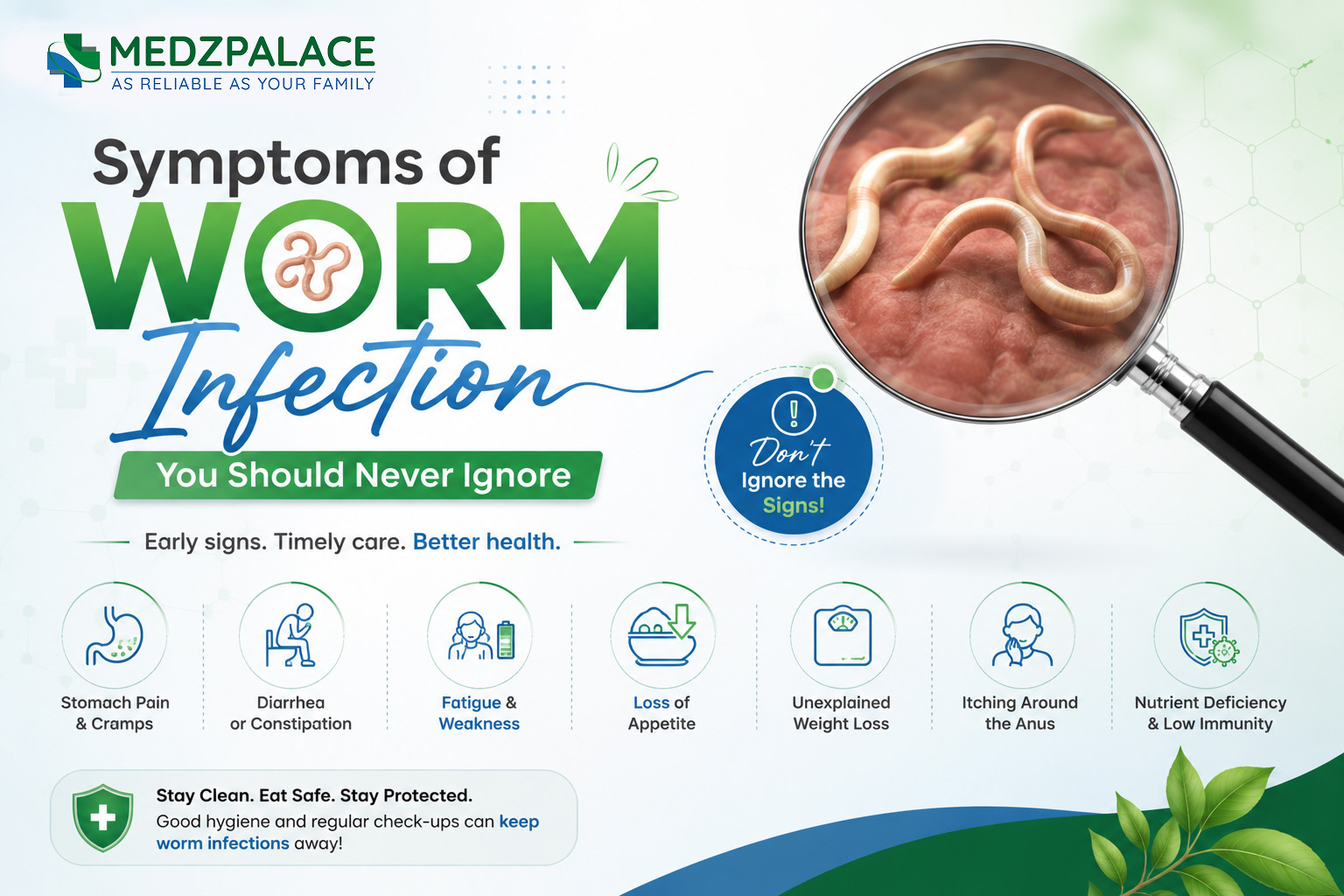
Parasitic worm infections, medically known as helminthiasis, are a significant global health issue affecting billions of people, particularly in regions with poor sanitation and limited access to clean water. While often associated with developing countries, these infections can occur anywhere. Helminths are multicellular organisms that reside in a host’s body, often in the gastrointestinal tract, but they can also migrate to other organs like the liver, lungs, and even the brain. The symptoms of a worm infection can range from being completely unnoticeable to severe and life-threatening. Recognizing the subtle and overt signs is crucial for early diagnosis and treatment, preventing long-term complications. This article provides a comprehensive clinical overview of the symptoms of worm infections you should never ignore.
General and Systemic Symptoms: The Body’s Subtle Alarms
Many parasitic infections don’t immediately present with dramatic, localized symptoms. Instead, the body may react with a series of vague, systemic signs as it tries to fight off the foreign invader and cope with the metabolic burden of hosting the parasite. These general symptoms are often the first indication that something is wrong.
Unexplained Chronic Fatigue
Persistent tiredness that isn’t relieved by rest can be a hallmark of a chronic parasitic infection. Parasites leach essential nutrients directly from the food you consume or from your body’s tissues. This “nutrient theft” can lead to malabsorption and deficiencies in iron, B12, and other vital vitamins and minerals, resulting in a constant state of low energy and lethargy.
Unintentional Weight Loss
Losing weight without changes in diet or exercise is a significant red flag. This can occur for several reasons in a worm infection. Firstly, as mentioned, parasites compete for nutrients. Secondly, a heavy worm load can interfere with normal digestion and absorption processes. Thirdly, some infections cause persistent nausea, diarrhea, or abdominal pain, which can suppress appetite and reduce food intake, leading to a caloric deficit and weight loss.
Low-Grade Fever and Malaise
The immune system recognizes parasites as foreign invaders and mounts an inflammatory response. This chronic, low-level immune activation can manifest as a persistent low-grade fever, a general feeling of being unwell (malaise), and achy muscles or joints. This is particularly common during the larval migration phase of some worms, such as Ascaris or Trichinella.
Gastrointestinal Distress: The Most Common Battlefield
Since the majority of parasitic worms take up residence in the intestinal tract, it is no surprise that gastrointestinal (GI) symptoms are the most frequently reported. The nature of these symptoms can provide clues to the type and severity of the infection.
Persistent Abdominal Pain and Cramping
Abdominal pain is a primary symptom. It can range from a dull, persistent ache to sharp, intermittent cramps. This pain can be caused by several factors:
- Mechanical Irritation: The physical presence of worms attaching to or moving along the intestinal wall causes inflammation and irritation.
- Inflammatory Response: The immune system’s reaction to the parasites in the gut lining can lead to chronic inflammation and pain.
– Blockage: In cases of a very heavy infection (high worm burden), particularly with large roundworms like Ascaris lumbricoides, the worms can form a tangled mass, causing a partial or complete intestinal obstruction. This is a medical emergency characterized by severe pain, vomiting, and inability to pass gas or stool.
Chronic Diarrhea or Constipation
A significant change in bowel habits is a common sign. Worms can disrupt the delicate balance of the gut microbiome and interfere with water absorption in the intestines. Some parasites, like Strongyloides, can cause watery diarrhea, while others may lead to constipation or an alternating pattern of both. Bloody diarrhea (dysentery) can occur with infections like whipworm (Trichuris trichiura), which burrow into the mucosal lining of the colon, causing bleeding.
Bloating, Gas, and Nausea
The disruption of normal digestive processes often leads to excessive gas production and a feeling of being constantly bloated or full. Nausea, sometimes accompanied by vomiting, is also common. These symptoms arise from the inflammation and irritation of the stomach and intestinal lining, as well as the metabolic byproducts produced by the worms themselves.
Visible Worms or Segments in Stool
While unsettling, this is one of the most definitive signs of a worm infection.
- Pinworms (Enterobius vermicularis): These are small, white, thread-like worms that may be visible around the anal region (especially at night) or on the surface of the stool.
- Roundworms (Ascaris lumbricoides): These large worms, resembling earthworms, can sometimes be passed in the stool or, in rare cases, emerge from the nose or mouth.
- Tapeworms (e.g., Taenia saginata): Tapeworms are segmented. You may not see the whole worm, but you might notice small, white, rice-like segments (called proglottids) in your stool or on your underwear. These segments contain eggs.
Skin and Allergic Manifestations
Some parasitic worms or their larvae migrate through tissues under the skin, or the body’s systemic immune response to them can manifest on the skin’s surface.
Itching, Rashes, and Eczema
Parasites release toxins and waste products into the bloodstream. The body’s immune system can react to these substances by releasing histamine and other inflammatory chemicals, leading to skin issues like unexplained rashes, hives (urticaria), or eczema-like lesions. A key diagnostic clue in blood tests is often elevated levels of eosinophils (a type of white blood cell), indicating an allergic or parasitic process.
Anal Itching (Pruritus Ani)
Intense itching around the anus, particularly at night, is the classic symptom of a pinworm infection. This occurs when the female worm migrates out of the intestine to the perianal skin to lay her eggs, causing severe irritation.
Cutaneous Larva Migrans
This condition is caused by hookworm larvae (typically from animal feces) burrowing into the skin. It creates intensely itchy, raised, red, snake-like tracks as the larva moves through the epidermis. While the larvae usually die within a few weeks, the itching and risk of secondary bacterial infection are significant.
Anemia and Nutritional Deficiencies
Certain types of worms are notorious for causing significant blood and nutrient loss, leading to serious health complications if left untreated.
Iron-Deficiency Anemia
This is a major consequence of infections with blood-feeding worms, primarily hookworms (Ancylostoma duodenale and Necator americanus) and whipworms (Trichuris trichiura). Hookworms attach to the small intestine’s wall and feed on blood, leading to chronic blood loss. A single hookworm can consume up to 0.2 ml of blood per day. A heavy infection can easily lead to iron-deficiency anemia, with symptoms including:
- Extreme fatigue and weakness
- Pale skin (pallor)
- Shortness of breath with minimal exertion
- Dizziness and lightheadedness
- Cold hands and feet
- Brittle nails
In children, chronic anemia can severely impair physical and cognitive development.
Neurological Symptoms: The Most Dangerous Signs
While less common, when parasitic worms or their larvae invade the central nervous system (the brain and spinal cord), the consequences can be devastating. These symptoms should be treated as a medical emergency.
Seizures and Severe Headaches
The most serious neurological complication is neurocysticercosis, caused by the larvae of the pork tapeworm, Taenia solium. When a person ingests tapeworm eggs, the larvae can travel through the bloodstream and form cysts (cysticerci) in various parts of the body, including the brain. These cysts can trigger an inflammatory response, leading to:
- New-onset seizures: This is the most common presenting symptom of neurocysticercosis.
- Chronic, severe headaches: Caused by increased pressure within the skull.
- Confusion and difficulty with balance.
- Hydrocephalus: A buildup of fluid in the brain, which can be life-threatening.
Any adult experiencing a seizure for the first time should be investigated for potential causes, including neurocysticercosis, especially if they have a history of travel to endemic areas.
Respiratory Symptoms
During their life cycle, the larvae of several common worms, including Ascaris and hookworms, migrate from the intestines, enter the bloodstream, and travel to the lungs. There, they mature before being coughed up and swallowed, returning to the intestines to become adult worms. This passage through the lungs can cause respiratory symptoms.
Cough, Wheezing, and Dyspnea
This transient respiratory phase, known as Loeffler’s syndrome, can be mistaken for asthma or bronchitis. It is an inflammatory, allergic-type reaction to the larvae in the lungs, causing symptoms like a dry cough, wheezing, shortness of breath (dyspnea), and a low-grade fever. It typically resolves on its own as the larvae complete their migration.
When to Seek Medical Attention
It is essential to consult a healthcare professional if you experience any of the following, especially if you have a history of travel to endemic areas or are in a high-risk group:
- Visible worms or segments in your stool.
- Persistent, unexplained GI symptoms (pain, diarrhea, bloating) lasting more than two weeks.
- Unintentional weight loss or chronic fatigue.
- Symptoms of severe anemia (pallor, shortness of breath, dizziness).
- Severe anal itching, especially that disrupts sleep.
- Any new-onset seizure, severe headache, or neurological change.
Frequently Asked Questions (FAQs)
How are worm infections diagnosed?
Diagnosis typically begins with a thorough medical history and physical exam. The most common diagnostic tool is a stool test, specifically an “Ova and Parasite” (O&P) exam, where stool samples are examined under a microscope for the presence of eggs or parasites. Sometimes multiple samples are needed. For pinworms, a “tape test” (pressing clear tape to the perianal area in the morning) is used to collect eggs for microscopic identification. Blood tests can detect antibodies or signs of infection like eosinophilia. In cases of suspected neurocysticercosis, imaging studies like CT or MRI scans of the brain are essential.
Can you get a worm infection in a developed country?
Yes. While more prevalent in tropical and subtropical regions with poor sanitation, worm infections absolutely occur in developed countries like the United States, Canada, and in Europe. Pinworm is the most common worm infection in the U.S., especially among school-aged children. Infections from consuming undercooked meat (pork tapeworm, Trichinella) or from contact with contaminated soil (hookworm, roundworm) can also occur.
Are over-the-counter deworming medications safe and effective?
Some over-the-counter (OTC) medications are available, primarily for treating pinworm infections. However, it is crucial to use them only when a specific diagnosis has been made. Different worms require different antiparasitic drugs (e.g., albendazole, mebendazole, praziquantel). Using the wrong medication will be ineffective and can delay proper treatment. Furthermore, many of the serious symptoms described above require prescription-strength medications and careful medical supervision. Self-diagnosing and self-treating a suspected worm infection is not recommended.
Medical Disclaimer: This article is for informational purposes only and does not constitute medical advice. The information contained herein is not a substitute for and should never be relied upon for professional medical advice, diagnosis, or treatment. Always seek the advice of your physician or other qualified health provider with any questions you may have regarding a medical condition.