
Sorry, nothing in cart.
Top Lifestyle Changes for Better Men’s Health
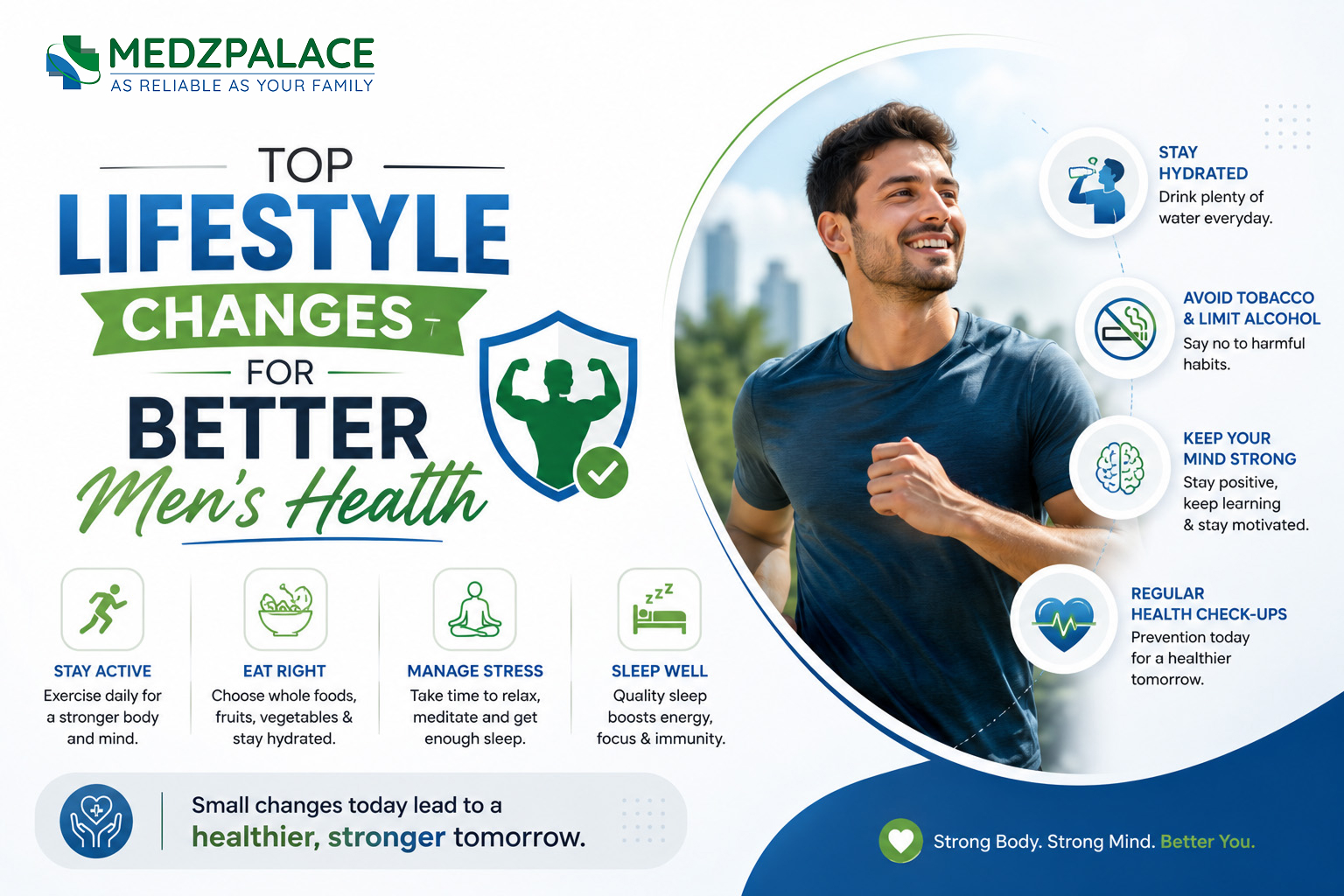
Men’s health is a complex interplay of genetics, environment, and, most significantly, lifestyle choices. While men often face unique health challenges, from higher rates of heart disease to specific concerns like prostate health, the power to influence long-term well-being lies in daily habits. Adopting a proactive and informed approach to lifestyle is not about drastic, temporary fixes but about building a sustainable foundation for vitality, resilience, and longevity. This comprehensive guide delves into the most impactful, evidence-based lifestyle changes that can profoundly improve men’s physical and mental health at any age.
Foundational Nutrition for Male Physiology
The saying “you are what you eat” is a clinical reality. The food a man consumes directly impacts everything from his cardiovascular system and energy levels to his hormonal balance and cancer risk. A strategic approach to nutrition is the cornerstone of good health.
Prioritizing a Heart-Healthy, Anti-Inflammatory Diet
Cardiovascular disease remains the leading cause of death for men. A diet that actively protects the heart and reduces chronic inflammation is paramount. The Mediterranean diet serves as an excellent, well-researched framework for this purpose.
- Embrace Healthy Fats: Replace saturated and trans fats (found in processed foods, fatty meats, and full-fat dairy) with monounsaturated and polyunsaturated fats. Excellent sources include olive oil, avocados, nuts (like walnuts and almonds), and seeds (flax, chia, pumpkin).
- Focus on Omega-3s: These fatty acids are critical for reducing inflammation, lowering triglycerides, and supporting brain health. Aim for at least two servings per week of fatty fish like salmon, mackerel, herring, or sardines.
- Increase Lean Protein: Protein is essential for maintaining muscle mass, which naturally declines with age (a condition known as sarcopenia). Opt for lean sources such as chicken breast, turkey, fish, eggs, legumes (beans, lentils), and tofu.
- Load Up on Fiber: Soluble and insoluble fiber, found in whole grains, fruits, vegetables, and legumes, is crucial for digestive health, cholesterol management, and blood sugar control.
- Limit Processed Foods and Sugar: Foods high in refined sugars, processed carbohydrates, and artificial ingredients contribute to inflammation, weight gain, and insulin resistance, all of which are risk factors for chronic disease.
Key Macronutrients and Micronutrients for Men
Beyond the basics, certain nutrients play a particularly vital role in male physiology.
- Protein for Muscle Synthesis: As men age, maintaining muscle mass becomes increasingly important for metabolic health, strength, and mobility. Consuming adequate protein distributed throughout the day, especially after exercise, supports muscle protein synthesis.
- Zinc for Testosterone and Immunity: This essential mineral is a key player in testosterone production and immune function. Deficiencies can impact libido, fertility, and the body’s ability to fight infection. Top sources include oysters, lean red meat, poultry, beans, and pumpkin seeds.
- Lycopene for Prostate Health: This powerful antioxidant, abundant in cooked tomato products (sauce, paste), watermelon, and pink grapefruit, has been linked in numerous studies to a reduced risk of prostate cancer.
- Magnesium for a Multitude of Functions: Magnesium is involved in over 300 biochemical reactions in the body, including muscle and nerve function, blood glucose control, and blood pressure regulation. Leafy green vegetables, nuts, seeds, and whole grains are rich sources.
- Vitamin D: Often called the “sunshine vitamin,” Vitamin D is crucial for bone health, immune response, and mood regulation. Many men are deficient, especially in less sunny climates. Fatty fish, fortified milk, and sensible sun exposure can help, but supplementation may be necessary after consulting a physician.
The Indispensable Role of Consistent Physical Activity
A sedentary lifestyle is a significant independent risk factor for virtually every major chronic disease. A well-rounded exercise program is not a luxury but a medical necessity for men seeking to optimize their health.
Crafting a Balanced Exercise Regimen
An effective fitness plan incorporates three key pillars: cardiovascular health, strength training, and flexibility/mobility.
1. Cardiovascular Exercise
Aerobic exercise strengthens the heart and lungs, improves circulation, helps manage weight, and is a powerful mood booster. The American Heart Association recommends at least 150 minutes of moderate-intensity aerobic activity (like brisk walking, cycling, or swimming) or 75 minutes of vigorous-intensity activity (like running or HIIT) per week, spread throughout the week.
2. Strength Training
Resistance training is arguably one of the most important activities a man can do for his long-term health. Its benefits include:
- Boosting Metabolism: Muscle tissue burns more calories at rest than fat tissue. More muscle means a higher basal metabolic rate.
- Improving Bone Density: Weight-bearing exercise stresses the bones, signaling them to become stronger and denser, which helps prevent osteoporosis.
- Enhancing Hormonal Health: Strength training has been shown to support healthy testosterone levels.
- Improving Insulin Sensitivity: It helps muscles better utilize glucose from the bloodstream, reducing the risk of type 2 diabetes.
Aim for at least two full-body strength training sessions per week, focusing on compound movements like squats, deadlifts, push-ups, and rows.
3. Flexibility and Mobility
Often neglected, flexibility and mobility work (stretching, yoga, foam rolling) is crucial for preventing injury, reducing muscle soreness, and maintaining a full range of motion as you age. This ensures you can continue to perform daily activities and exercise without pain or limitation.
Optimizing Sleep for Recovery, Hormones, and Cognition
Sleep is not a passive state of rest; it is an active and critical period of physical and mental restoration. Chronic sleep deprivation has a devastating effect on men’s health, directly impacting hormonal balance, cognitive function, and immune response.
The Clinical Impact of Poor Sleep
Consistently sleeping less than 7-9 hours per night can lead to:
- Lowered Testosterone: A significant portion of testosterone is produced during deep sleep. Sleep deprivation can dramatically reduce levels, impacting energy, libido, and muscle mass.
- Increased Cortisol: Lack of sleep is a major stressor on the body, leading to elevated levels of the stress hormone cortisol. High cortisol can promote belly fat storage and increase inflammation.
- Impaired Cognitive Function: Memory consolidation, problem-solving, and emotional regulation are all severely hampered by insufficient sleep.
- Weakened Immunity: The body produces infection-fighting proteins called cytokines during sleep. Skimping on sleep leaves you more vulnerable to illness.
Actionable Steps for Better Sleep Hygiene
- Maintain a Consistent Schedule: Go to bed and wake up at the same time every day, even on weekends, to regulate your body’s internal clock.
- Create a Sleep Sanctuary: Your bedroom should be cool, completely dark, and quiet. Consider blackout curtains, a white noise machine, or earplugs.
- Power Down Electronics: The blue light emitted from phones, tablets, and computers suppresses the production of melatonin, the sleep hormone. Stop using screens at least 60-90 minutes before bed.
- Avoid Stimulants and Alcohol: Refrain from caffeine in the afternoon and evening. While alcohol may make you feel drowsy initially, it disrupts sleep architecture later in the night, leading to poor-quality rest.
Proactive Stress Management and Mental Health
Chronic stress is a silent catalyst for disease. It elevates blood pressure, promotes arterial inflammation, dysregulates blood sugar, and suppresses the immune system. For men, societal pressures can sometimes discourage open discussion about mental health, making proactive stress management even more critical.
Evidence-Based Stress Reduction Techniques
- Mindfulness Meditation: Regular practice can physically change the brain, reducing activity in the amygdala (the “fight or flight” center) and improving focus and emotional regulation.
- Diaphragmatic Breathing: Deep belly breathing activates the parasympathetic nervous system, creating a “rest and digest” response that immediately lowers heart rate and blood pressure.
- Regular Physical Activity: Exercise is one of the most effective ways to process and release stress hormones.
- Foster Social Connections: Strong social ties are a powerful buffer against stress. Make time for friends, family, and community engagement.
- Seek Professional Help: There is no weakness in seeking therapy or counseling. Talking to a professional is a sign of strength and a highly effective way to develop coping strategies for stress, anxiety, or depression.
The Importance of Preventative Care and Screenings
One of the most significant lifestyle changes a man can make is shifting from a reactive to a proactive mindset about his health. This means engaging with the healthcare system before problems arise.
- Annual Physicals: Establish a relationship with a primary care physician. Annual check-ups are essential for monitoring key health metrics and catching potential issues early.
- Know Your Numbers: Be aware of your blood pressure, cholesterol levels (LDL, HDL, triglycerides), and fasting blood glucose. These numbers provide a critical snapshot of your metabolic and cardiovascular health.
- Age-Appropriate Screenings: Discuss a screening schedule with your doctor. This includes colorectal cancer screenings (starting at age 45 for average-risk individuals), prostate cancer discussions (PSA test), and screenings for skin cancer and other conditions based on your personal and family history.
Frequently Asked Questions (FAQs)
What is the single most important lifestyle change a man can make?
While there’s no single magic bullet, the most impactful change for most men is committing to consistent, daily physical activity. Exercise positively influences every other aspect of health mentioned—it improves sleep, manages stress, supports a healthy weight (making dietary goals easier), and directly reduces the risk of heart disease and diabetes. It’s a powerful foundational habit.
How much protein do men actually need, especially if they are active?
For active men, particularly those engaged in strength training, a protein intake of 1.2 to 1.7 grams per kilogram of body weight (or about 0.5 to 0.8 grams per pound) is a common recommendation to support muscle repair and growth. It’s best to spread this intake throughout the day rather than consuming it all in one meal.
Is it too late to make these changes in my 50s or 60s?
Absolutely not. The human body has a remarkable capacity to heal and adapt at any age. Starting a new exercise program, improving your diet, or quitting smoking in your 50s, 60s, or beyond can still dramatically lower your risk of disease, improve your quality of life, and increase your longevity. The best time to start was yesterday; the next best time is today.
Do I really need to take supplements for men’s health?
The guiding principle should always be “food first.” A well-balanced, whole-foods diet should provide the vast majority of nutrients you need. Supplements can be useful for correcting specific, diagnosed deficiencies (like Vitamin D or B12) or for particular goals, but they should not be used as a substitute for a healthy diet. Always consult with a healthcare professional before starting any new supplement regimen to ensure it’s safe and necessary for you.
A Commitment to Lifelong Well-Being
Improving men’s health is a journey of consistent, intelligent choices. By focusing on these core pillars—a nutrient-dense diet, a balanced exercise routine, restorative sleep, proactive stress management, and regular preventative care—men can take definitive control of their health trajectory. These changes are not about perfection but about progress, building a resilient foundation that supports a longer, healthier, and more vibrant life.
Medical Disclaimer: The information provided in this article is for informational purposes only and does not constitute medical advice, diagnosis, or treatment. It is not a substitute for professional medical advice. Always seek the advice of your physician or another qualified health provider with any questions you may have regarding a medical condition. Never disregard professional medical advice or delay in seeking it because of something you have read in this article.