
Sorry, nothing in cart.
Best Vitamins and Supplements for Men’s Health
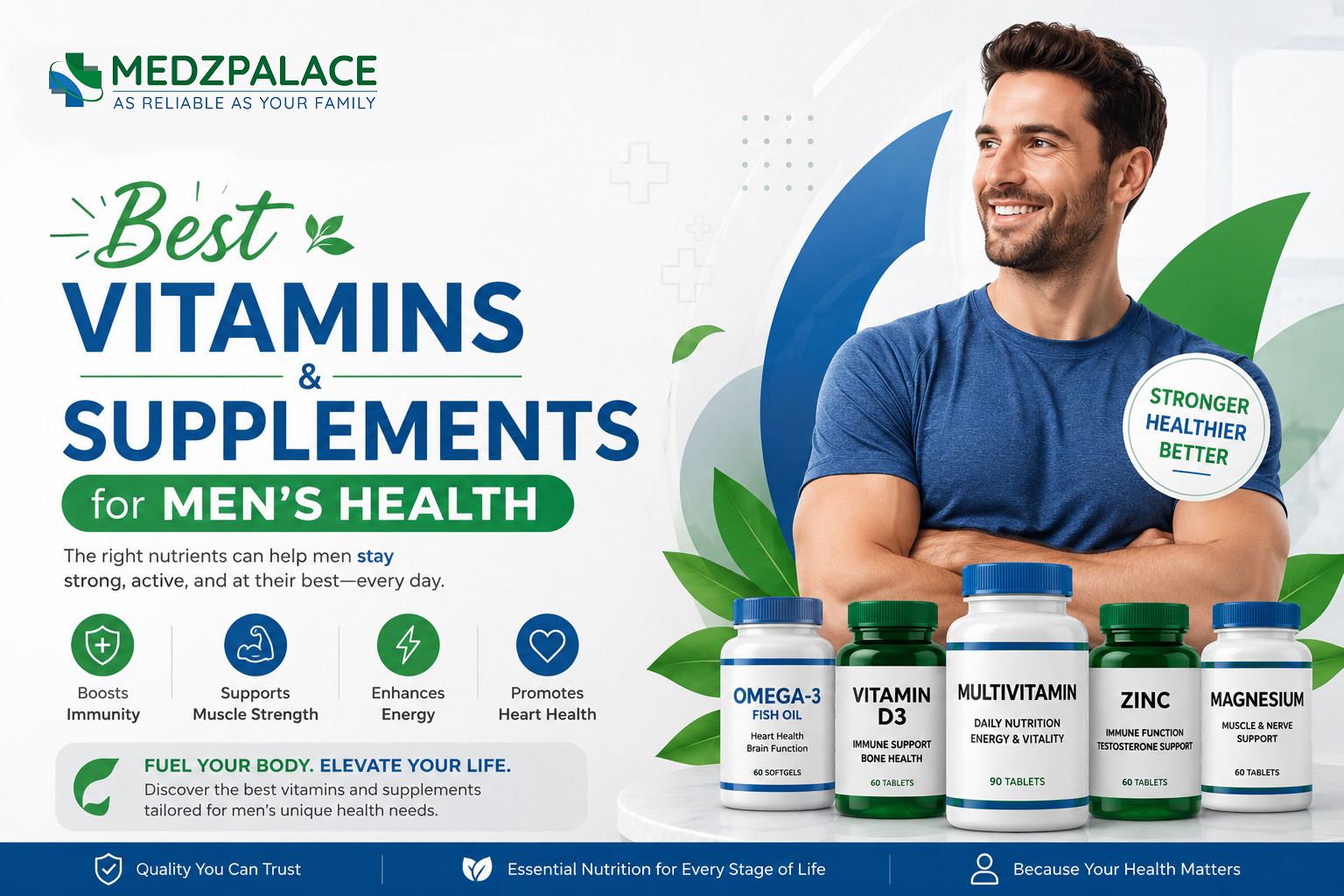
Navigating the world of vitamins and supplements can be overwhelming, yet optimizing nutritional intake is a cornerstone of men’s health and longevity. While a balanced diet rich in whole foods is non-negotiable, targeted supplementation can play a crucial role in filling nutritional gaps, supporting physiological functions unique to men, and mitigating risks associated with aging and lifestyle. This comprehensive guide delves into the most clinically relevant vitamins and supplements for men, offering an evidence-based look at their roles in everything from energy production and hormonal balance to cardiovascular and prostate health.
Foundational Vitamins and Minerals for Every Man
Before exploring specialized supplements, it’s essential to ensure the body’s foundational needs are met. These core nutrients are involved in hundreds of metabolic processes and form the bedrock of good health.
Vitamin D: The Sunshine and Hormone Vitamin
Often called the “sunshine vitamin,” Vitamin D is technically a pro-hormone that is synthesized in the skin upon exposure to sunlight. Its importance for men’s health cannot be overstated.
- Testosterone Production: Clinical studies have demonstrated a significant correlation between adequate Vitamin D levels and healthy total and free testosterone levels. Deficiency is linked to lower testosterone, which can impact muscle mass, energy, and libido.
- Bone Health: It is critical for calcium absorption, making it indispensable for maintaining strong bones and preventing osteoporosis, a condition that also affects men, particularly as they age.
- Immune Function: Vitamin D modulates the immune system, helping to reduce the risk of infections and autoimmune responses.
Sources and Supplementation: While fatty fish (salmon, mackerel) and fortified dairy are good dietary sources, many men, especially those in northern latitudes or with significant office time, are deficient. Supplementation with Vitamin D3 (cholecalciferol) is often recommended. A typical dose ranges from 1,000 to 4,000 IU daily, but it’s best to get your levels tested to determine a personalized dose.
Magnesium: The Master Mineral for Relaxation and Energy
Magnesium is a cofactor in over 300 enzymatic reactions in the body, yet it’s one of the most common nutrient deficiencies in Western diets. For men, its roles are particularly vital.
- Muscle Function and Recovery: It plays a key role in muscle contraction and relaxation. Adequate magnesium can help prevent cramps and support post-exercise recovery.
- Energy Production: Magnesium is essential for the creation of ATP (adenosine triphosphate), the body’s main energy currency. Low levels can manifest as persistent fatigue.
- Stress and Sleep: It helps regulate neurotransmitters that promote calm, such as GABA. It can improve sleep quality by helping to relax the nervous system and body.
- Cardiovascular Health: Magnesium helps maintain a steady heartbeat and normal blood pressure.
Sources and Supplementation: Leafy greens, nuts, seeds, and dark chocolate are rich in magnesium. However, due to soil depletion, even a healthy diet may fall short. For supplementation, forms like magnesium glycinate or citrate are highly bioavailable and well-tolerated, unlike magnesium oxide, which can have a laxative effect. A common dose is 200-400 mg per day, often taken in the evening.
Zinc: The Immunity and Testosterone Mineral
Zinc is a trace mineral with a profound impact on men’s health, particularly concerning hormonal and reproductive functions.
- Hormonal Health: It is a critical mineral for the production of testosterone. Zinc deficiency can directly impair testosterone synthesis, leading to low levels.
- Prostate Health: The prostate gland contains a high concentration of zinc, where it is believed to play a role in maintaining prostate health and function.
- Immune Support: Zinc is well-known for its role in immune cell function and its ability to help fight off pathogens.
Sources and Supplementation: Oysters are the most potent dietary source of zinc, followed by red meat, poultry, and pumpkin seeds. When supplementing, it’s crucial not to overdo it, as excessive zinc can interfere with copper absorption. A daily intake of 15-30 mg is generally considered safe and effective for most men. Zinc picolinate and gluconate are well-absorbed forms.
Targeted Supplements for Men’s Health Concerns
Beyond the basics, certain supplements can address specific health goals and concerns that are common among men, from heart health to cognitive function and prostate support.
Omega-3 Fatty Acids: For a Healthy Heart and Sharp Mind
The omega-3 fatty acids EPA (eicosapentaenoic acid) and DHA (docosahexaenoic acid) are powerful anti-inflammatory agents with extensive benefits for systems throughout the body.
- Cardiovascular Protection: Omega-3s are proven to reduce triglyceride levels, lower blood pressure, slow the development of plaque in arteries, and reduce the likelihood of heart attack and stroke.
- Brain Health: DHA is a primary structural component of the brain and retina. Adequate intake supports cognitive function, memory, and mood, and may reduce the risk of age-related cognitive decline.
- Joint Health: Their anti-inflammatory properties can help reduce joint pain and stiffness associated with arthritis.
Sources and Supplementation: Fatty fish like salmon, sardines, and anchovies are the best sources. For those who don’t consume fish regularly, a high-quality fish oil supplement is a wise choice. Look for products that are third-party tested for purity (free of heavy metals) and provide at least 1,000 mg of combined EPA and DHA per serving. Algal oil is an excellent vegan alternative.
Saw Palmetto: For Natural Prostate Support
As men age, the prostate gland can enlarge, a condition known as Benign Prostatic Hyperplasia (BPH). This can lead to uncomfortable urinary symptoms. Saw palmetto is one of the most-studied herbal supplements for this concern.
- Mechanism of Action: It’s believed to work by inhibiting the enzyme 5-alpha-reductase, which converts testosterone to dihydrotestosterone (DHT). DHT is a potent androgen that contributes to prostate growth.
- Symptom Relief: Clinical trials have shown that saw palmetto can help improve urinary symptoms associated with BPH, such as frequent urination, nighttime waking, and weak stream.
Supplementation: It’s crucial to consult a physician to rule out more serious conditions before self-treating with saw palmetto. Standardized extracts containing 85-95% fatty acids and sterols are considered most effective, typically at a dose of 320 mg per day.
Coenzyme Q10 (CoQ10): The Cellular Energizer
CoQ10 is a vitamin-like compound found in every cell of the body, with the highest concentrations in the heart. Its primary role is in energy production within the mitochondria.
- Heart Health: It acts as a potent antioxidant, protecting against oxidative stress, and is vital for the energy demands of the heart muscle. It’s particularly important for men on statin medications, as these drugs can deplete the body’s CoQ10 levels.
- Energy and Performance: By supporting mitochondrial function, CoQ10 can help combat fatigue and may improve physical performance.
Supplementation: CoQ10 production declines with age. While it’s found in meat and fish, therapeutic doses are best achieved through supplements. Ubiquinol is the active antioxidant form of CoQ10 and is generally considered more bioavailable than the more common ubiquinone form, especially for older adults. Doses typically range from 100-200 mg daily.
Age and Lifestyle Specific Supplements
A man’s nutritional needs evolve with his age and activity level. Tailoring supplementation to these factors can provide a significant advantage.
For the Active Man: Creatine
Creatine is one of the most extensively researched sports supplements in the world. For men engaged in regular resistance training or high-intensity exercise, its benefits are clear.
- Increased Strength and Power: It helps replenish ATP, allowing for more repetitions and greater power output during short, intense bursts of activity.
- Muscle Growth: It draws water into muscle cells, promoting an anabolic environment and supporting lean mass gains.
- Cognitive Benefits: Emerging research suggests creatine may also support brain health and cognitive function, particularly during periods of stress or sleep deprivation.
Supplementation: Creatine monohydrate is the most proven and cost-effective form. A daily maintenance dose of 3-5 grams is sufficient to saturate muscle stores.
For Men Over 50: Boron and Vitamin K2
As men cross the half-century mark, maintaining hormonal balance and skeletal integrity becomes a priority.
- Boron: This trace mineral is gaining attention for its role in hormone metabolism. Studies suggest it can help increase free testosterone levels by decreasing Sex Hormone Binding Globulin (SHBG) and may also support bone health by reducing calcium excretion. A low dose of 3-6 mg per day is typically used.
- Vitamin K2 (as MK-7): While Vitamin D gets calcium into the body, Vitamin K2 directs it to the right places. It activates proteins that help bind calcium to bones and prevent it from depositing in arteries and soft tissues, thereby supporting both skeletal and cardiovascular health.
A Quick Guide to Choosing High-Quality Supplements
The supplement industry is not as tightly regulated as pharmaceuticals. To ensure you’re getting a safe and effective product, follow these guidelines:
- Look for Third-Party Testing: Seals from organizations like NSF International, USP (United States Pharmacopeia), or ConsumerLab.com indicate that a product contains what it claims on the label and is not contaminated with harmful substances.
- Check the Form: The form of a nutrient matters for absorption. For example, choose magnesium glycinate over oxide, Vitamin D3 over D2, and methylcobalamin (B12) over cyanocobalamin.
- Avoid Proprietary Blends: These blends list ingredients but not their specific amounts, making it impossible to know if you’re getting a therapeutic dose of any single component.
- Read “Other Ingredients”: Steer clear of products with excessive fillers, artificial colors, and potential allergens.
Frequently Asked Questions (FAQs)
Can I get all the nutrients I need from my diet alone?
In an ideal world, yes. However, due to factors like modern soil depletion, food processing, chronic stress, and individual health conditions, many men have nutritional gaps that can be difficult to fill with food alone. A “food-first” approach is always best, with supplements used to strategically fill in the blanks.
When is the best time to take my supplements?
Fat-soluble vitamins (A, D, E, K) should be taken with a meal containing fat to enhance absorption. B vitamins are best taken in the morning as they are involved in energy production. Minerals like magnesium can be taken in the evening to promote relaxation and sleep. Always read the label for specific instructions.
Are there any supplements men should be cautious about?
Men should be cautious with high doses of iron unless they have a diagnosed deficiency, as excess iron can be pro-oxidant. High doses of calcium supplements have also been linked in some studies to increased cardiovascular risk, so it’s best to prioritize dietary calcium.
How do I know if I have a nutrient deficiency?
Symptoms like fatigue, poor sleep, frequent illness, or low mood can be indicators, but the most reliable way is through a blood test ordered by your healthcare provider. This can specifically measure levels of Vitamin D, B12, magnesium, zinc, and iron.
Is a daily men’s multivitamin a good idea?
A high-quality multivitamin can serve as a nutritional “insurance policy,” covering basic needs. However, it often doesn’t provide therapeutic doses of key nutrients like Vitamin D, magnesium, or omega-3s. It can be a good starting point, but targeted supplementation based on individual needs is often more effective.
Medical Disclaimer: The information provided in this article is for educational and informational purposes only and is not intended as medical advice. It is not a substitute for professional medical advice, diagnosis, or treatment. Always seek the advice of your physician or other qualified health provider with any questions you may have regarding a medical condition or before starting any new supplement, diet, or fitness regimen. Do not disregard professional medical advice or delay in seeking it because of something you have read in this article.