
Sorry, nothing in cart.
Can Narcolepsy Affect Your Daily Life?
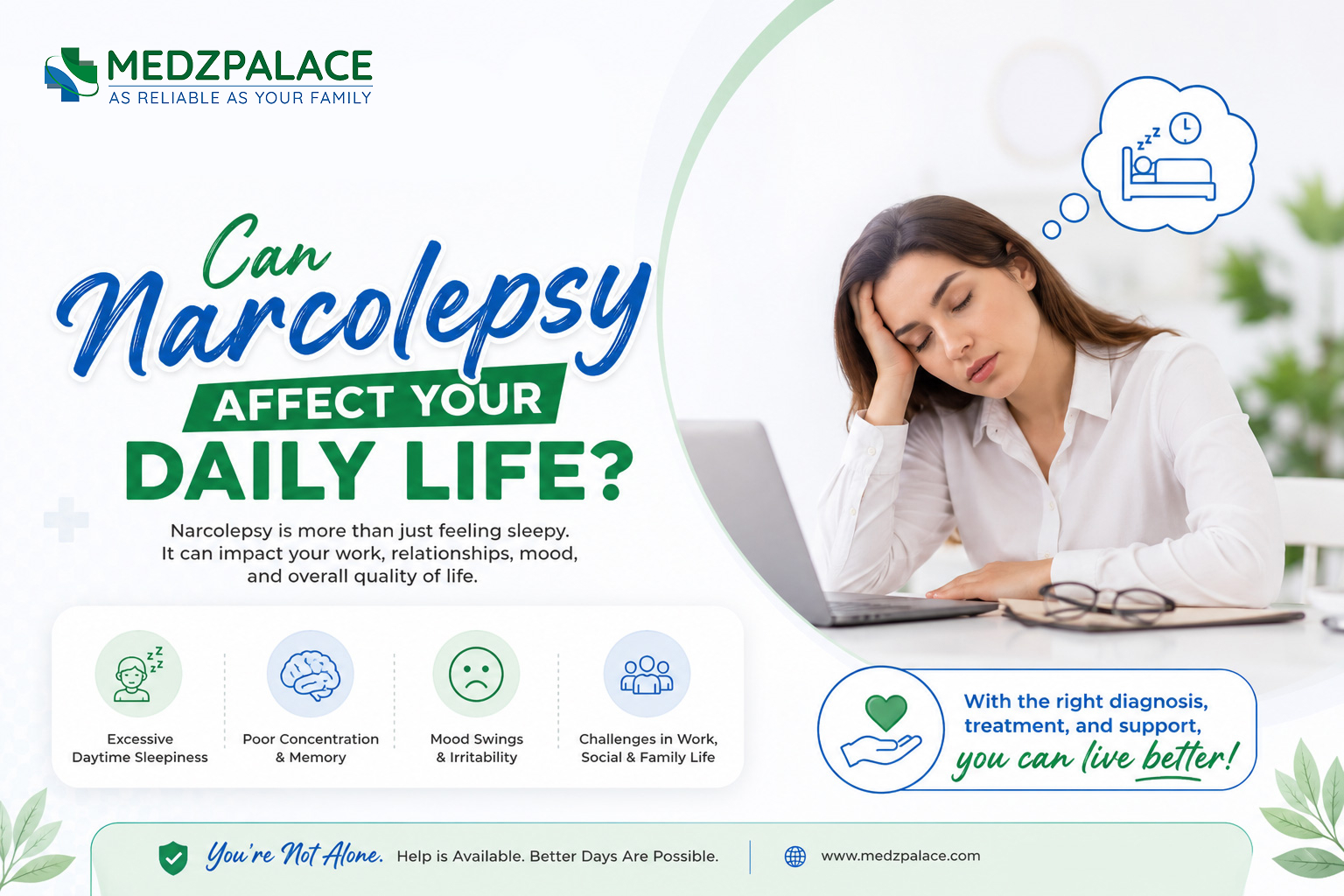
Narcolepsy is a chronic neurological condition characterized by the brain’s inability to regulate sleep-wake cycles normally. While it is most famously known for causing overwhelming and uncontrollable daytime sleepiness, its impact extends far beyond simply feeling tired. This complex disorder infiltrates nearly every facet of an individual’s existence, profoundly affecting their professional life, personal relationships, mental health, and fundamental safety. To understand the true scope of narcolepsy, one must look past the stereotype of someone randomly falling asleep and see the pervasive, daily challenges that shape the lives of those diagnosed with the condition.
The Core Symptoms and Their Ripple Effects
The daily struggles of living with narcolepsy stem from a cluster of symptoms, often referred to as the “narcolepsy pentad,” although not every individual experiences all five. The severity and combination of these symptoms dictate the degree to which daily life is affected.
- Excessive Daytime Sleepiness (EDS): This is the cardinal symptom. It’s not ordinary tiredness but a persistent, overwhelming sleepiness that can lead to “sleep attacks”—a sudden and irresistible urge to sleep, regardless of the situation.
- Cataplexy: A sudden and transient loss of muscle tone triggered by strong emotions, typically positive ones like laughter, joy, or surprise. It can range from a slight drooping of the eyelids to a full body collapse.
- Disrupted Nighttime Sleep: Despite being exhausted during the day, individuals with narcolepsy often experience fragmented, poor-quality sleep at night, waking up frequently.
- Hypnagogic/Hypnopompic Hallucinations: These are vivid, often frightening, dream-like experiences that occur while falling asleep (hypnagogic) or waking up (hypnopompic).
- Sleep Paralysis: A temporary inability to move or speak that occurs upon waking up or falling asleep. The mind is awake, but the body remains immobilized.
Professional and Academic Performance Under Siege
The workplace and educational environments are structured around principles of sustained attention, productivity, and alertness—all of which are directly challenged by narcolepsy.
The Constant Battle with Excessive Daytime Sleepiness (EDS)
For someone with narcolepsy, a typical workday or school day is a marathon of fighting off sleep. The cognitive “fog” associated with EDS severely impairs concentration, memory recall, and executive function. This can manifest in several ways:
- Reduced Productivity: Tasks that require sustained mental effort become monumental challenges. Difficulty processing information can lead to errors, missed deadlines, and an overall slower pace of work.
- Misinterpretation as Laziness: A student struggling to stay awake in a lecture or an employee nodding off in a meeting is often unfairly judged as being lazy, unmotivated, or disinterested. This stigma can lead to poor performance reviews, disciplinary action, and even job loss or academic failure.
- Memory Lapses: Automatic behavior, where a person continues a task (like typing or writing) during a microsleep but has no memory of it afterward, can result in nonsensical work and confusion.
The Impact of Cataplexy in Social Work Environments
Cataplexy introduces another layer of difficulty, particularly in jobs that involve social interaction. The joy of closing a deal, the laughter shared during a team-building exercise, or the surprise of receiving praise can trigger a cataplectic attack. This can lead to social withdrawal and a conscious effort to suppress emotions, making the individual appear stoic, aloof, or unenthusiastic—qualities that can hinder career advancement and teamwork.
Navigating Personal Relationships and Social Life
Narcolepsy profoundly affects the very interactions that build human connection. The symptoms create barriers to forming and maintaining relationships with family, friends, and romantic partners.
The Emotional Constraints of Cataplexy
Perhaps the most misunderstood and socially debilitating symptom is cataplexy. Because it is triggered by strong emotions, individuals may begin to subconsciously or consciously police their feelings.
- Fear of Joy: A person with narcolepsy might avoid situations that could bring immense joy or laughter, such as playing with their children, attending a comedy show, or even watching a funny movie with their partner. This “emotional blunting” can be mistaken for depression or a lack of affection.
- Impact on Intimacy: The powerful, positive emotions associated with romantic intimacy can be significant cataplexy triggers. This can create immense anxiety around physical closeness, leading to avoidance and strain within a relationship.
- Social Awkwardness: Explaining why you suddenly went limp after a good joke can be awkward and lead to social isolation. Many choose to avoid large gatherings or emotionally charged situations altogether to prevent a public cataplectic episode.
EDS and Social Engagement
The sheer exhaustion of EDS makes social planning a constant challenge. An irresistible urge to sleep can strike at any time, forcing the person to cancel plans at the last minute or leave an event early. This can be perceived by others as being unreliable or antisocial, straining friendships over time.
Safety, Independence, and Everyday Tasks
The simplest daily activities that most people take for granted can become hazardous and complex for someone with narcolepsy.
The Dangers of Driving
Driving is one of the most significant safety concerns. A microsleep or a full-blown sleep attack behind the wheel can be fatal. Individuals with narcolepsy must work closely with their sleep specialist to ensure their symptoms are well-managed before they can safely drive. Even with treatment, long drives often require meticulous planning, including scheduled naps and awareness of personal limits.
Risks in the Home
The home is not always a safe haven. A sleep attack can occur during routine activities, leading to dangerous situations:
- Cooking: Falling asleep while using a stove or oven can result in burns or fires.
- Bathing: There is a risk of drowning if a sleep attack occurs in a bathtub.
–Childcare: The fear of experiencing a sleep attack or a cataplectic collapse while holding a baby or supervising a young child is a source of constant anxiety for parents with narcolepsy.
This constant risk assessment erodes a person’s sense of independence and spontaneity. Life becomes a series of carefully planned maneuvers designed to mitigate the risks posed by their own body.
The Invisible Burden: Mental and Emotional Health
Living with a chronic, misunderstood illness takes a significant toll on mental and emotional well-being. The rates of depression and anxiety are substantially higher in the narcolepsy community compared to the general population.
Depression and Anxiety
The link between narcolepsy and mental health conditions is multi-faceted. The constant struggle to function, the social isolation, the loss of independence, and the fear of symptoms can directly contribute to feelings of hopelessness and anxiety. Furthermore, the neurochemical imbalances in the brain that cause narcolepsy (specifically the loss of hypocretin) may also play a role in mood regulation.
The Weight of Stigma
Having an “invisible illness” means constantly having to explain and justify one’s condition. The skepticism and judgment from employers, teachers, and even loved ones who don’t understand the neurological basis of the disorder can be profoundly invalidating and emotionally exhausting.
Strategies for Reclaiming Daily Life
While narcolepsy presents formidable challenges, a combination of medical treatment, lifestyle adjustments, and robust support systems can empower individuals to manage their condition and lead full, productive lives.
Medical Management
Working with a board-certified sleep specialist is the cornerstone of managing narcolepsy. A treatment plan is highly individualized and may include:
- Wake-Promoting Medications: Stimulants and other agents help combat EDS and improve daytime alertness.
- Medications for Cataplexy: Certain antidepressants and sodium oxybate are highly effective in controlling cataplexy, sleep paralysis, and hallucinations.
Behavioral and Lifestyle Interventions
Medication is only one piece of the puzzle. Behavioral strategies are critical for managing symptoms day-to-day.
- Strategic Napping: Scheduling one or two short (15-20 minute) naps throughout the day can dramatically improve alertness and cognitive function.
- Strict Sleep Hygiene: Maintaining a consistent sleep-wake schedule, even on weekends, helps regulate the body’s internal clock. Creating a cool, dark, and quiet sleep environment is also essential.
- Diet and Exercise: Regular physical activity can improve alertness and the quality of nighttime sleep. Avoiding heavy meals, excessive sugar, and caffeine or alcohol close to bedtime is also recommended.
Building a Support System
No one can manage narcolepsy alone. Support is crucial for both practical and emotional well-being.
- Educating Others: Proactively educating family, friends, and colleagues about narcolepsy can transform judgment into empathy and support.
- Workplace Accommodations: Under laws like the Americans with Disabilities Act (ADA), individuals with narcolepsy are entitled to reasonable accommodations, such as a flexible work schedule, a designated space for napping, or adjustments to job duties.
- Connecting with the Community: Joining support groups, either in-person or online, provides a vital space to share experiences and coping strategies with others who truly understand the daily battle.
Frequently Asked Questions (FAQs)
Can a person with narcolepsy live a normal life?
Yes. While narcolepsy requires significant life adjustments, with an accurate diagnosis, a consistent treatment plan, and strong self-advocacy, individuals can have successful careers, nurturing relationships, and fulfilling hobbies. “Normal” is redefined, but life can still be rich and rewarding.
Is narcolepsy a psychological or mental illness?
No. Narcolepsy is a neurological disorder caused by a physical dysfunction in the brain—specifically, the loss of hypocretin-producing neurons. While it can lead to secondary mental health issues like depression and anxiety due to the life challenges it imposes, the root cause is not psychological.
How is narcolepsy different from just being very tired?
The fatigue experienced by the general population is typically resolved with adequate sleep. The Excessive Daytime Sleepiness (EDS) of narcolepsy is a profound, neurological urge to sleep that is not relieved by a full night’s rest. It is characterized by sleep attacks and an inability to maintain wakefulness, which is fundamentally different from standard tiredness.
Can you work a full-time job with narcolepsy?
Absolutely. Many people with narcolepsy work full-time. Success often depends on finding a career that is compatible with the condition, securing necessary workplace accommodations, and adhering strictly to a treatment and management plan.
Medical Disclaimer: This article is for informational purposes only and does not constitute medical advice. The information contained herein is not a substitute for and should never be relied upon for professional medical advice. Always talk to your doctor about the risks and benefits of any treatment.