
Sorry, nothing in cart.
Erectile Dysfunction (ED): Everything You Need to Know for Better Sexual Health
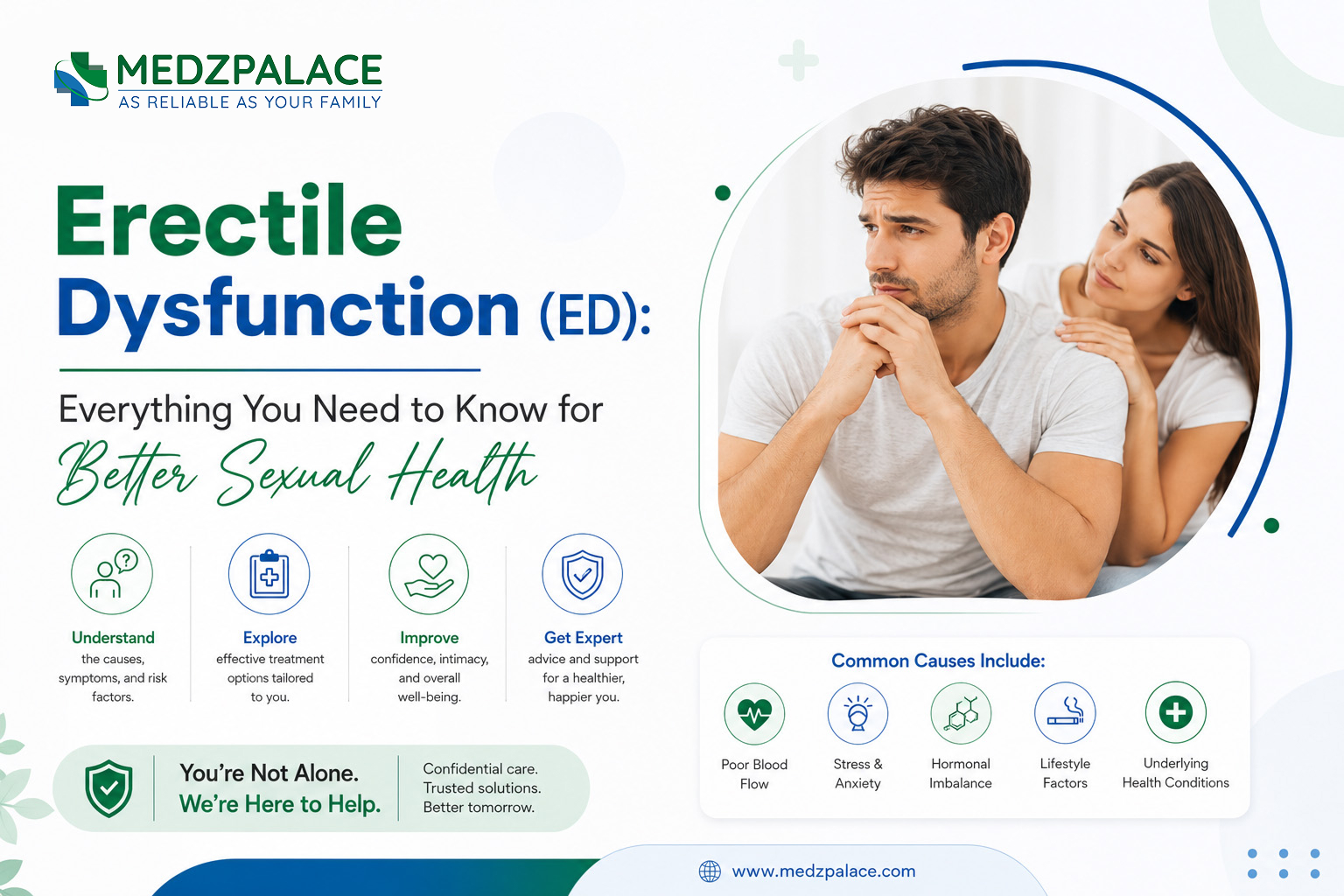
Erectile dysfunction (ED), the consistent inability to achieve or maintain an erection sufficient for satisfactory sexual performance, is a common medical condition that affects millions of men worldwide. While often associated with aging, ED is not an inevitable consequence of getting older and can impact men at any stage of life. It can be a source of significant emotional distress, affecting self-esteem, relationships, and overall quality of life. Fortunately, ED is a highly treatable condition. Understanding its underlying causes, diagnostic processes, and the wide array of available treatments is the first step toward reclaiming sexual health and confidence.
Understanding the Physiology of an Erection
An erection is a complex neurovascular event, meaning it involves a sophisticated interplay between the brain, nerves, hormones, and blood vessels. A breakdown in any part of this intricate process can lead to erectile difficulties. To grasp why ED occurs, it’s crucial to first understand how a normal erection happens.
The Crucial Role of Blood Flow
The penis contains two sponge-like cylindrical chambers called the corpora cavernosa. When a man is not sexually aroused, these chambers are soft and non-engorged. During sexual stimulation, the brain sends nerve signals to the arteries in the penis, causing them to relax and widen (a process called vasodilation). This allows a massive influx of blood—up to 20 times the normal amount—to rush into the corpora cavernosa. As these chambers fill with blood, they expand and press against the veins that normally drain blood from the penis, effectively trapping the blood inside. This combination of increased inflow and decreased outflow results in a firm erection.
The Importance of Nerves and Hormones
The entire process is initiated by nerve signals originating from the brain and spinal cord. These signals release chemical messengers, most notably nitric oxide (NO), which is essential for relaxing the smooth muscles in the penile arteries. Hormones, particularly testosterone, also play a key role. While testosterone doesn’t directly cause an erection, it is vital for maintaining libido (sex drive) and supporting the overall health of the erectile tissues and the nitric oxide pathway.
What Are the Primary Causes of Erectile Dysfunction?
Erectile dysfunction is rarely caused by a single factor. It’s often a multifactorial issue, with physical and psychological components overlapping. Identifying the root cause is a critical step in determining the most effective treatment plan.
Physical and Medical Conditions
In the majority of cases, particularly in older men, ED has an underlying physical cause. Any condition that impairs blood flow, damages nerves, or disrupts hormonal balance can contribute to erectile problems. These are often referred to as organic causes.
- Cardiovascular Diseases: Conditions like atherosclerosis (hardening of the arteries), high blood pressure (hypertension), and high cholesterol are the most common physical causes of ED. The small blood vessels in the penis are often the first to show signs of damage from these systemic vascular diseases.
- Diabetes Mellitus: Diabetes can damage both the nerves (neuropathy) and blood vessels (vasculopathy) essential for a healthy erection. Men with diabetes are two to three times more likely to develop ED than men without diabetes.
- Neurological Disorders: Conditions that affect the brain and spinal cord, such as multiple sclerosis (MS), Parkinson’s disease, spinal cord injuries, and stroke, can interrupt the nerve signals required to initiate an erection.
- Hormonal Imbalances: Low testosterone (hypogonadism) can reduce libido and contribute to ED. Other hormonal issues, such as thyroid problems or high prolactin levels, can also play a role.
- Chronic Kidney or Liver Disease: These conditions can affect hormones, nerve function, and blood circulation, all of which are critical for erectile function.
- Peyronie’s Disease: The development of scar tissue inside the penis can cause painful, curved erections and lead to ED.
- Surgery or Trauma: Pelvic surgeries, particularly for prostate or bladder cancer, can damage the nerves and arteries involved in erections. Pelvic trauma can also be a cause.
- Certain Medications: A wide range of prescription drugs can have ED as a side effect, including certain antidepressants, blood pressure medications (especially diuretics and beta-blockers), antihistamines, and hormonal therapies.
Psychological and Emotional Factors
The brain is a powerful sex organ. Psychological issues can be the primary cause of ED (psychogenic ED), especially in younger men, or they can be a secondary reaction to an underlying physical problem. This can create a vicious cycle where an initial physical difficulty leads to performance anxiety, which then worsens the ED.
- Anxiety and Stress: Worries about work, finances, or relationships can interfere with the brain’s ability to send the necessary signals for an erection. Performance anxiety—the specific fear of not being able to achieve or maintain an erection—is a major psychological contributor.
- Depression: This common mental health condition can cause a loss of interest in activities, including sex, and can physically impact erectile function.
- Relationship Problems: Poor communication, unresolved conflicts, or lack of intimacy with a partner can contribute to ED.
- Guilt or Low Self-Esteem: Feelings of inadequacy or guilt about sexual performance can create a mental block.
Lifestyle and Behavioral Factors
Daily habits and lifestyle choices have a profound impact on vascular health and, by extension, erectile function. Many of these risk factors are modifiable, making lifestyle changes a cornerstone of both preventing and treating ED.
- Smoking: Tobacco use damages blood vessels throughout the body, restricting blood flow to the penis and impairing the ability to get an erection.
- Excessive Alcohol Consumption: While a small amount of alcohol may lower inhibitions, chronic heavy drinking can damage the liver, cause nerve damage, and interfere with testosterone production.
- Illicit Drug Use: Substances like marijuana, cocaine, and amphetamines can affect the central nervous system and blood flow, leading to ED.
- Obesity: Being overweight increases the risk of developing vascular disease and diabetes, two leading causes of ED. It also can lower testosterone levels.
- Sedentary Lifestyle: Lack of regular physical activity contributes to obesity, poor circulation, and cardiovascular disease.
The Diagnostic Process for ED
A thorough medical evaluation is essential to diagnose ED and identify its underlying causes. This typically involves a combination of a detailed medical history, physical examination, and sometimes specific laboratory tests.
When to Consult a Healthcare Provider
Occasional erection difficulties are normal and not necessarily a cause for alarm. However, it’s time to see a doctor if the problem is persistent, causes you or your partner distress, or is accompanied by other symptoms like premature or delayed ejaculation. Remember, ED can be an early warning sign of a more serious underlying health issue, like heart disease.
The Clinical Evaluation
A doctor will typically begin by taking a comprehensive medical and sexual history. Be prepared to answer questions honestly about your symptoms, lifestyle, medications, and psychological well-being. This will be followed by:
- Physical Examination: A general exam to check your blood pressure and overall health, as well as a more focused examination of the penis and testes. A digital rectal exam may be performed to check the prostate.
- Blood and Urine Tests: These can screen for underlying conditions like diabetes, kidney disease, high cholesterol, and low testosterone. A complete blood count (CBC), lipid profile, and hormone levels (testosterone, prolactin) are common tests.
- Psychosocial Evaluation: Your doctor will likely ask questions to screen for depression, anxiety, or other psychological factors that could be contributing to the issue.
In some cases, more specialized tests may be required, such as a nocturnal penile tumescence (NPT) test to see if you have erections during sleep, or a duplex ultrasound to evaluate blood flow in the penis.
A Comprehensive Guide to ED Treatment Options
Treatment for ED has evolved significantly, and there is a wide spectrum of effective options available. The best approach depends on the underlying cause, the severity of the condition, and the patient’s personal health and preferences.
Lifestyle Modifications: The First Line of Defense
For many men, simple lifestyle changes can dramatically improve or even resolve ED, especially when it’s linked to behavioral factors.
- Exercise Regularly: Aim for at least 30 minutes of moderate-intensity activity, such as brisk walking, swimming, or cycling, most days of the week.
- Adopt a Heart-Healthy Diet: Focus on fruits, vegetables, whole grains, and lean proteins. A Mediterranean-style diet is particularly beneficial for vascular health.
- Maintain a Healthy Weight: Losing excess weight can improve blood pressure, reduce diabetes risk, and boost testosterone levels.
- Quit Smoking and Limit Alcohol: These are two of the most impactful changes you can make for your erectile and overall health.
- Manage Stress: Practice stress-reducing techniques like mindfulness, yoga, or meditation.
Oral Medications (PDE5 Inhibitors)
These prescription pills are the most common medical treatment for ED. They work by enhancing the effects of nitric oxide, the chemical that relaxes muscles in the penis and allows blood to flow in. It is crucial to note that these drugs do not automatically cause an erection; sexual stimulation is still required. The most common PDE5 inhibitors include:
- Sildenafil (Viagra®)
- Tadalafil (Cialis®)
- Vardenafil (Levitra®)
- Avanafil (Stendra®)
These medications differ in their dosage, how quickly they work, and how long their effects last. Your doctor will help you choose the one that is best for your needs. They are not suitable for everyone, particularly men taking nitrate drugs for chest pain, as the combination can cause a dangerous drop in blood pressure.
Other Medical and Surgical Treatments
When oral medications are ineffective or contraindicated, other options are available:
- Penile Injections (Intracavernosal Injection Therapy): This involves using a very fine needle to inject medication (such as Alprostadil) directly into the side of the penis, which produces an erection within minutes.
- Intraurethral Suppositories (MUSE®): A tiny medicated pellet is inserted into the urethra. This is generally less effective than injection therapy.
- Vacuum Erection Devices (VEDs): A plastic cylinder is placed over the penis, and a pump (manual or battery-operated) creates a vacuum that draws blood into the penis. A constriction ring is then placed at the base of the penis to maintain the erection.
- Penile Implants (Prostheses): This is a surgical solution typically reserved for men who have not had success with other treatments. It involves surgically placing inflatable or semi-rigid rods inside the penis, allowing a man to have an erection whenever he chooses. This option has a very high rate of patient satisfaction.
Psychological Counseling and Sex Therapy
If ED is caused or worsened by psychological factors, therapy can be highly effective. A therapist can help individuals or couples address anxiety, stress, depression, or relationship issues. Sex therapy specifically focuses on sexual concerns and can help rebuild intimacy and confidence.
Frequently Asked Questions (FAQs)
Is erectile dysfunction a normal part of aging?
While the risk of ED increases with age due to the higher prevalence of associated health conditions like cardiovascular disease and diabetes, it is not an inevitable part of the aging process. Many men remain sexually active and potent well into their 80s and beyond. Attributing ED solely to age can cause men to miss the opportunity to diagnose and treat a potentially serious underlying medical condition.
Can over-the-counter supplements or “natural remedies” cure ED?
The market is flooded with supplements claiming to treat ED, but most lack scientific evidence to support their efficacy and safety. Some of these products can be dangerous, containing undisclosed prescription drug ingredients or harmful substances. It is crucial to be skeptical of any product that promises a “quick fix” and to always consult a healthcare provider before trying any supplement.
How does pornography consumption relate to ED?
For some individuals, excessive pornography use may contribute to “porn-induced ED.” This can happen when the brain becomes desensitized to real-life sexual stimuli, making it difficult to achieve an erection with a partner. It can also create unrealistic sexual expectations and performance anxiety. If you suspect this might be a factor, consider reducing or eliminating pornography use and discussing it with a healthcare professional or therapist.
What is my partner’s role in dealing with ED?
A supportive partner can play a significant role. Open and honest communication is key. ED is a shared issue that affects intimacy for both partners. Working together, exploring other forms of intimacy that don’t rely solely on an erection, and attending couples counseling or sex therapy can strengthen the relationship and reduce the pressure and anxiety associated with performance.
Medical Disclaimer: This article is for informational purposes only and does not constitute medical advice. The information contained herein is not a substitute for and should never be relied upon for professional medical advice. Always talk to your doctor about the risks and benefits of any treatment. Do not disregard professional medical advice or delay in seeking it because of something you have read in this article.