
Sorry, nothing in cart.
Everything You Need to Know About Fenbendazole for Parasite Treatment
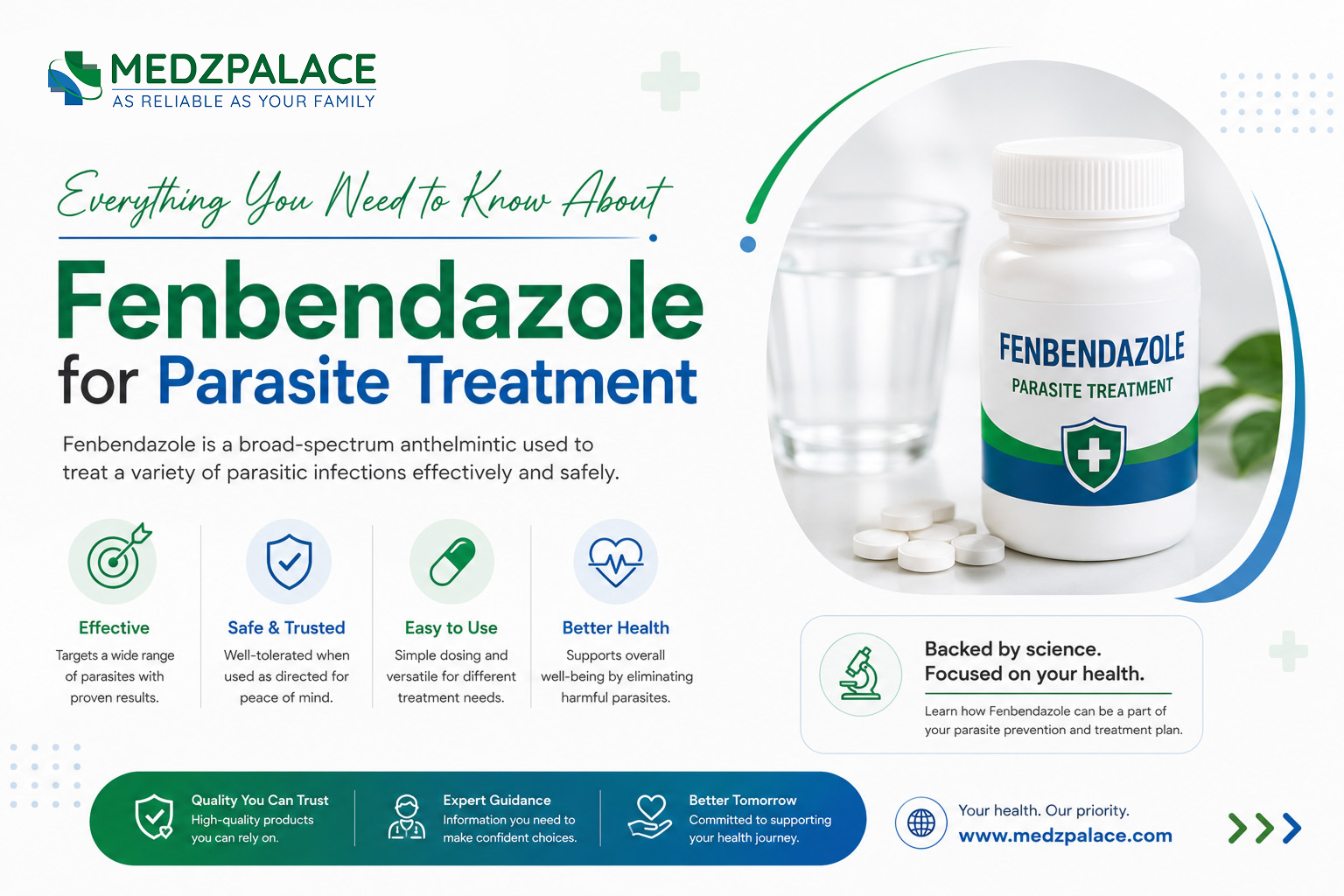
Fenbendazole is a broad-spectrum anthelmintic (dewormer) belonging to the benzimidazole class of medications. Widely trusted and utilized in veterinary medicine for decades, it is a cornerstone of parasite control protocols for a vast range of animals, from domestic pets like dogs and cats to livestock such as cattle, sheep, and horses. Its efficacy against a wide variety of gastrointestinal parasites, combined with a high safety margin, has solidified its place as a go-to treatment. This article provides a comprehensive clinical overview of fenbendazole, exploring its mechanism of action, the parasites it targets, proper administration, safety profile, and its role in modern veterinary practice.
How Does Fenbendazole Work? The Mechanism of Action
The effectiveness of fenbendazole lies in its specific and targeted method of disrupting the fundamental biological processes of parasites. Unlike some older anthelmintics that act as general poisons, benzimidazoles like fenbendazole exploit biochemical pathways present in parasites that are different or less vital in their mammalian hosts. This selective toxicity is key to its safety and efficacy.
Targeting the Cytoskeleton: Microtubule Disruption
The primary mechanism of action for fenbendazole is its ability to bind to a protein called beta-tubulin. Tubulin proteins are the building blocks of microtubules, which are critical components of a cell’s cytoskeleton. In parasites, microtubules are essential for a variety of vital functions, including:
- Cell Division (Mitosis): Microtubules form the mitotic spindle, which is necessary for separating chromosomes during cell replication.
- Nutrient Absorption: The intestinal cells of worms rely on microtubules for their structure and ability to absorb nutrients from the host’s gut.
- Intracellular Transport: They act as “highways” within the cell, moving organelles and vesicles where they need to go.
Fenbendazole binds to the parasite’s beta-tubulin with high affinity, preventing it from polymerizing (linking together) with alpha-tubulin to form functional microtubules. This disruption leads to a catastrophic failure of the parasite’s cellular functions. The cell structure collapses, cell division halts, and the ability to absorb energy is lost, leading to a slow but certain death of the parasite over several days.
Impairing Glucose Uptake and Energy Metabolism
A direct consequence of microtubule disruption in the parasite’s intestinal cells is the inability to absorb glucose and other essential nutrients from the host environment. Parasites have a very high metabolic rate and are heavily dependent on a constant supply of glucose for energy. By crippling their absorptive capabilities, fenbendazole effectively starves the worms to death. It inhibits enzymes crucial to the parasite’s energy metabolism, further depleting their energy reserves (glycogen) and leading to paralysis and eventual death.
Selective Toxicity
A crucial aspect of fenbendazole’s safety profile is its selective toxicity. While mammals also have beta-tubulin, the binding affinity of fenbendazole for parasite beta-tubulin is many hundreds of times greater than for mammalian beta-tubulin. This means that at therapeutic doses, the drug overwhelmingly affects the parasites while leaving the host’s cells largely untouched. This specificity allows it to be administered safely to a wide range of animals, including those that are young, old, or pregnant, under veterinary supervision.
Common Parasites Treated with Fenbendazole
Fenbendazole’s broad-spectrum activity makes it effective against a host of common and clinically significant parasites in various animal species.
In Canines (Dogs)
In dogs, fenbendazole is a staple for treating and controlling numerous intestinal nematodes and some protozoa. Standard treatment often involves a daily dose for three consecutive days.
- Roundworms (Toxocara canis, Toxascaris leonina): One of the most common intestinal parasites in puppies, roundworms can cause poor growth, a pot-bellied appearance, and vomiting or diarrhea.
- Hookworms (Ancylostoma caninum, Uncinaria stenocephala): These blood-sucking parasites attach to the intestinal wall and can cause severe anemia, weakness, and bloody stools, especially in young puppies.
- Whipworms (Trichuris vulpis): Living in the large intestine, whipworms can be difficult to diagnose and can cause chronic, watery, and often bloody diarrhea. Fenbendazole is highly effective against them.
- Tapeworms (Taenia pisiformis): Fenbendazole is effective against Taenia species of tapeworms, though it is not effective against the common flea tapeworm, Dipylidium caninum, which requires a different drug (praziquantel).
- Giardia: While an off-label use, fenbendazole is one of the most commonly prescribed treatments for the protozoan parasite Giardia. It works by disrupting the parasite’s internal structure, and treatment typically requires a longer course of 5 to 7 days.
In Felines (Cats)
Cats benefit from fenbendazole’s efficacy against a similar range of parasites, with some species-specific differences.
- Roundworms (Toxocara cati): Common in kittens, causing similar signs as in puppies.
- Hookworms (Ancylostoma tubaeforme): Can cause anemia and poor health, particularly in outdoor cats.
- Stomach Worms (Ollulanus tricuspis): A less common parasite that can cause chronic vomiting.
- Lungworms (Aelurostrongylus abstrusus): Fenbendazole is a treatment option for this respiratory parasite, which can cause coughing and respiratory distress. Treatment often requires an extended course.
- Giardia: As in dogs, fenbendazole is a common off-label choice for treating giardiasis in cats.
In Livestock and Other Animals
Fenbendazole’s utility extends far beyond companion animals. It is a critical tool in managing parasite loads in production animals.
- Horses: Used to control large and small strongyles, pinworms, and ascarids.
- Cattle, Sheep, and Goats: Effective against a wide range of gastrointestinal roundworms, including Haemonchus, Ostertagia, Trichostrongylus, and Cooperia species, as well as lungworms (Dictyocaulus species).
Administration and Dosage Guidelines
Proper administration and accurate dosing are paramount for ensuring efficacy and safety. All dosage and administration should be directed by a licensed veterinarian.
Forms of Fenbendazole
Fenbendazole is available in several formulations to suit different species and situations:
- Granules/Powder: This form is designed to be mixed with food. It is commonly used for dogs, cats, and large animals.
- Liquid Suspension: An oral drench that can be administered directly into the mouth, often used for puppies, kittens, and livestock.
- Paste: Commonly used for horses and other large animals, administered via a dosing syringe.
Standard Dosing Protocols
Dosage is calculated based on the animal’s body weight. The duration of treatment depends on the target parasite.
- General Deworming (Roundworms, Hookworms, Whipworms): The standard protocol for dogs and cats is typically 50 mg/kg (22.7 mg/lb) administered orally once a day for three consecutive days.
- Giardia Treatment: For this off-label use, veterinarians often prescribe the same 50 mg/kg daily dose but extend the course to five to seven consecutive days to ensure complete eradication of the protozoa.
- Lungworm Treatment: Eradicating lungworms may require a much longer treatment course, sometimes lasting 14 to 21 days, as determined by a veterinarian.
It is crucial to complete the entire prescribed course of treatment, even if symptoms improve. Stopping early can lead to treatment failure and contribute to parasite resistance.
Potential Side Effects and Safety Profile
Fenbendazole is renowned for its high margin of safety. Side effects are uncommon and typically mild when they do occur.
Common and Mild Side Effects
The most frequently observed side effects are related to the gastrointestinal tract:
- Vomiting
- Diarrhea or loose stools
- Loss of appetite
- Lethargy
It is important to note that some of these signs may not be a direct effect of the drug itself, but rather the result of the host’s immune system reacting to the large number of dying parasites (a “die-off” reaction). If these signs are severe or persistent, veterinary consultation is necessary.
Rare but Serious Reactions
While extremely rare, more severe reactions can occur. Allergic reactions (hypersensitivity) are possible with any medication. In very rare instances, idiosyncratic (individual-specific) reactions like bone marrow changes have been reported, but these are not considered a typical risk of the medication at standard doses.
Contraindications and Precautions
Fenbendazole is generally safe for use in most animals, including pregnant and lactating ones, though a veterinarian should always be consulted first. It should be used with caution in animals that are severely debilitated or have pre-existing liver or kidney disease. There are no well-documented significant drug interactions with fenbendazole, but it is always wise to inform your veterinarian of all medications and supplements your pet is taking.
Fenbendazole vs. Other Dewormers: A Comparative Look
While fenbendazole is a powerful tool, it’s part of a larger arsenal of anthelmintics. Understanding its place is key.
- Fenbendazole vs. Pyrantel Pamoate: Pyrantel is another common dewormer effective against roundworms and hookworms. However, it is not effective against whipworms, Giardia, or Taenia tapeworms. Therefore, fenbendazole offers a broader spectrum of activity.
- Fenbendazole vs. Praziquantel: Praziquantel is the gold-standard treatment for tapeworms, particularly the common flea tapeworm (Dipylidium caninum), which fenbendazole does not treat. For comprehensive tapeworm control, praziquantel is necessary.
- Combination Products: Many modern monthly heartworm preventatives include dewormers. Some products combine multiple agents (e.g., an ivermectin-class drug with pyrantel and praziquantel) to provide very broad coverage in a single dose. Fenbendazole is often used for initial deworming protocols in shelters or for treating specific, active infections not covered by monthly preventatives.
Frequently Asked Questions (FAQs)
How long does it take for fenbendazole to work?
Fenbendazole begins working shortly after administration, but its mechanism is not instantaneous. It slowly starves the parasites over 2-3 days. You may see dead worms in your pet’s stool during or after the treatment course. For parasites like Giardia, clinical signs may start to improve within a few days of starting the longer treatment protocol.
Do I need a prescription for fenbendazole?
This varies by region and formulation. Some formulations, particularly those for livestock, are available over-the-counter (OTC). However, products specifically packaged for dogs and cats often require a prescription. Regardless of availability, it is strongly recommended to only use fenbendazole under the guidance of a veterinarian to ensure a correct diagnosis, proper dosage, and safe use.
Can I give my dog fenbendazole made for livestock?
This is a dangerous practice and is strongly discouraged. While the active ingredient is the same, livestock formulations are highly concentrated. It is extremely difficult to accurately calculate and measure a safe and effective dose for a small animal from a product designed for a 1,000-pound cow. Overdosing can lead to toxicity, and underdosing will lead to treatment failure and can promote parasite resistance. Always use a product specifically formulated and dosed for the target species.
What happens if I miss a dose?
If you miss a dose, administer it as soon as you remember. However, if it is almost time for the next scheduled dose, skip the missed one and continue with the regular schedule. Do not give two doses at once. Completing the full number of prescribed doses is critical for efficacy, so if you miss a dose in a 3-day protocol, consult your veterinarian. They may advise you to add an extra day of treatment.
Does fenbendazole kill parasite eggs?
Fenbendazole is primarily larvicidal (kills larvae) and adulticidal (kills adults). It is not typically considered ovicidal (killing eggs). This is why environmental cleanup is so important during an infection (e.g., with Giardia) and why follow-up fecal testing is often recommended to ensure the infection is fully cleared and to catch any new parasites that may have hatched.
Conclusion: The Enduring Role of Fenbendazole
Fenbendazole remains an indispensable medication in veterinary parasite control. Its broad-spectrum efficacy, particularly against challenging parasites like whipworms and Giardia, combined with an outstanding safety profile, ensures its continued use in clinics and homes around the world. As with any medication, its power is best harnessed through a proper diagnosis, accurate dosing, and the professional guidance of a veterinarian. Responsible use is key to maintaining animal health and preventing the development of anthelmintic resistance, ensuring that this vital drug remains effective for generations of animals to come.
Medical Disclaimer: This article is for informational purposes only and does not constitute medical advice. The information contained herein is not intended to be a substitute for professional veterinary advice, diagnosis, or treatment. Always seek the advice of your veterinarian with any questions you may have regarding a medical condition or treatment of your pet. Never disregard professional veterinary advice or delay in seeking it because of something you have read in this article.