
Sorry, nothing in cart.
Foods That May Support Better Sexual Health
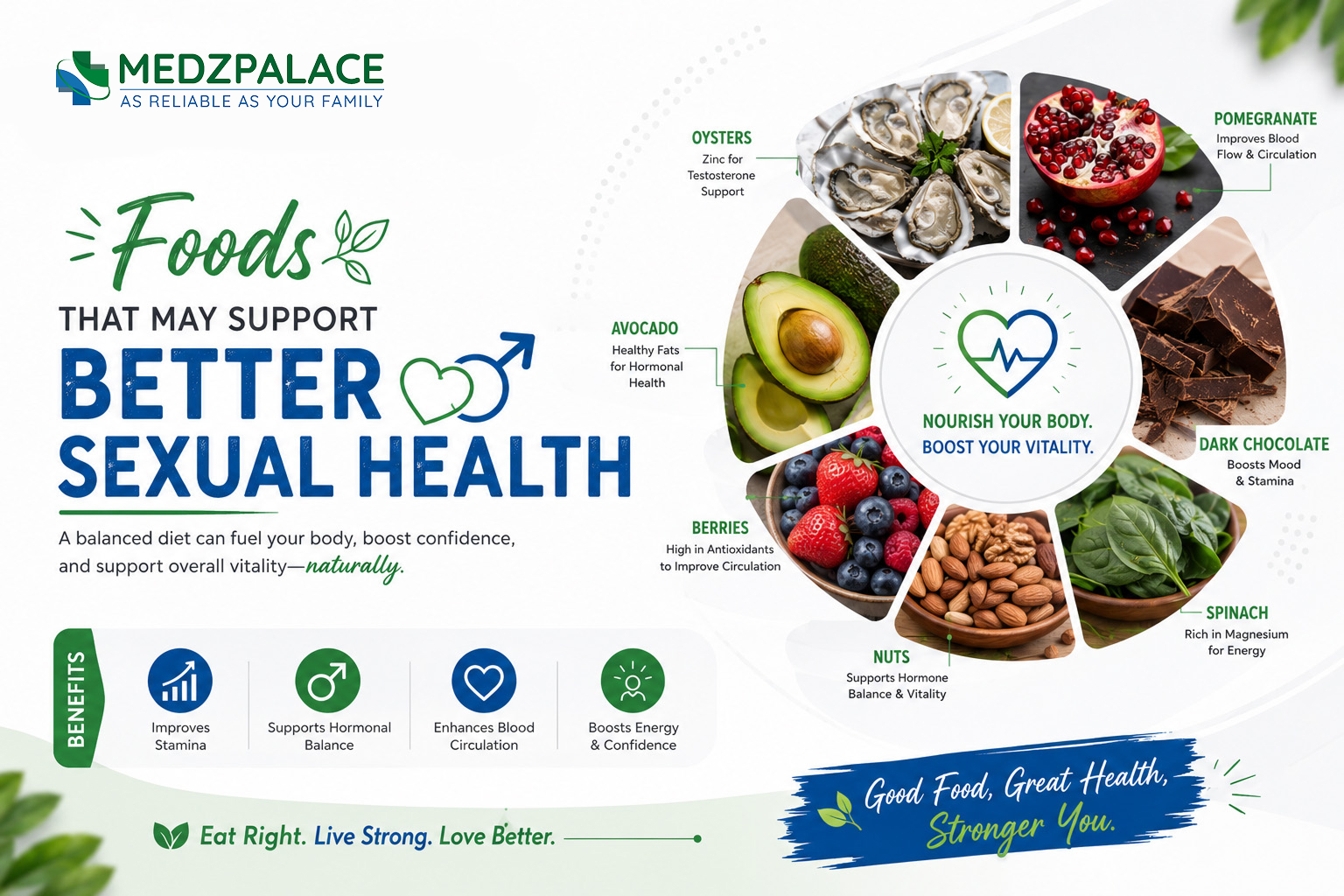
Sexual health is an integral component of overall well-being, yet it’s often influenced by factors we may not immediately consider, such as our daily diet. While no single food can act as a magic bullet, a consistent, nutrient-dense eating pattern can lay a strong foundation for robust sexual function. The connection is deeply rooted in physiological processes that govern libido, blood flow, hormone balance, and stamina. This article provides a clinical overview of specific foods and nutrients that may support and enhance sexual health by targeting these underlying mechanisms.
The Clinical Link Between Nutrition and Sexual Function
From a medical perspective, healthy sexual function relies on a complex interplay between the vascular, nervous, and endocrine systems. A diet that supports these systems can, by extension, promote better sexual health. The primary pathways through which nutrition exerts its influence include cardiovascular integrity, hormonal regulation, and neurotransmitter synthesis.
Cardiovascular Health: The Cornerstone of Arousal
Optimal blood flow is non-negotiable for sexual arousal in all genders. For men, erections are achieved through vasodilation—the widening of blood vessels in the penis—which allows for the rapid inflow of blood. In women, this same process, known as vasocongestion, leads to clitoral engorgement and vaginal lubrication. Any condition that impairs vascular health, such as atherosclerosis (plaque buildup in arteries), high blood pressure, or high cholesterol, can directly impede these functions. Therefore, a heart-healthy diet is fundamentally a sex-healthy diet. Foods rich in antioxidants, nitrates, and healthy fats help maintain flexible, clear arteries, ensuring blood can travel efficiently to the genital region when needed.
Hormonal Balance and Libido
Sex hormones, primarily testosterone and estrogen, are the chemical drivers of libido (sexual desire). While testosterone is often labeled the “male hormone,” it is crucial for desire in women as well. Nutritional deficiencies or excesses can disrupt the delicate balance of these hormones. For instance, minerals like zinc are essential cofactors in testosterone production, while certain fats are precursors for steroid hormone synthesis. A diet lacking these building blocks can lead to suboptimal hormone levels and, consequently, a diminished sex drive.
Neurotransmitters, Mood, and Desire
Sexual desire begins in the brain. Neurotransmitters like dopamine are central to the brain’s pleasure and reward system, playing a significant role in motivation and libido. Certain amino acids and vitamins obtained from food serve as precursors for these vital brain chemicals. A diet that supports healthy neurotransmitter function can contribute to a positive mood, reduced stress, and an increased interest in sexual activity.
Key Nutrients for Enhanced Sexual Wellness
Focusing on specific micronutrients and macronutrients can help target the physiological systems involved in sexual health. Incorporating foods rich in the following compounds is a strategic approach to dietary improvement.
L-Citrulline & L-Arginine: The Nitric Oxide Pathway
Nitric oxide (NO) is a potent vasodilator, meaning it relaxes the inner muscles of blood vessels, causing them to widen and increase circulation. The body synthesizes nitric oxide from the amino acid L-arginine. However, consuming L-citrulline is often more effective, as the body efficiently converts it into L-arginine in the kidneys, making it more bioavailable.
- Mechanism: Increased nitric oxide leads to improved blood flow to the genitals, which is fundamental for erectile function and clitoral engorgement.
- Food Sources of L-Citrulline: Watermelon (especially the rind), cucumbers, and pumpkins.
- Food Sources of L-Arginine: Nuts (walnuts, almonds), seeds (pumpkin seeds, sesame seeds), turkey, and legumes.
Zinc: The Master Mineral for Hormonal Health
Zinc is a critical mineral involved in hundreds of enzymatic reactions, including the production of testosterone. Zinc deficiency is clinically associated with hypogonadism and erectile dysfunction in men. It also plays a role in sperm quality and motility.
- Mechanism: Acts as a cofactor for enzymes that synthesize testosterone and supports overall endocrine function.
- Food Sources: Oysters (the most concentrated source), beef, lamb, shellfish, pumpkin seeds, and lentils.
Omega-3 Fatty Acids: For Blood Flow and Mood
These essential polyunsaturated fats are renowned for their anti-inflammatory and cardiovascular benefits. They help reduce triglyceride levels, lower blood pressure, and prevent the formation of arterial plaque, all of which contribute to better blood flow.
- Mechanism: Omega-3s improve endothelial function, reduce inflammation, and may aid in the synthesis of dopamine, a neurotransmitter linked to arousal and pleasure.
- Food Sources: Fatty fish (salmon, mackerel, sardines, herring), flaxseeds, chia seeds, and walnuts.
Flavonoids and Polyphenols: Antioxidant Powerhouses
Flavonoids are a group of plant-based compounds with potent antioxidant and anti-inflammatory properties. They protect the body from oxidative stress, which can damage blood vessels and impair circulation. Studies have shown a strong correlation between high flavonoid intake and a lower risk of erectile dysfunction.
- Mechanism: Flavonoids, particularly flavanones, flavonols, and anthocyanins, improve endothelial function and nitric oxide availability, protecting the vascular system.
- Food Sources: Berries (blueberries, strawberries), cherries, citrus fruits, dark chocolate (with high cocoa content), red wine (in moderation), and green tea.
B Vitamins: Energy and Nerve Function
The B-vitamin complex, especially B3 (niacin), B6, and B12, is essential for energy metabolism and nervous system function. Proper nerve signaling is crucial for transmitting arousal signals from the brain to the genitals. Niacin can also help improve cholesterol levels, further supporting vascular health.
- Mechanism: B vitamins regulate sex hormones, support energy production for stamina, and ensure the integrity of the nervous system for optimal sexual response.
- Food Sources: Lean meat, poultry, fish, eggs, avocados, leafy greens, and whole grains.
Specific Foods and Their Mechanisms of Action
Translating nutrient knowledge into a practical grocery list is the next step. Here are some top foods that deliver the key compounds for supporting sexual health.
Leafy Greens (Spinach, Kale, Arugula)
Often overlooked in this context, leafy greens are dietary powerhouses due to their high concentration of inorganic nitrates. The body converts these nitrates into nitric oxide, directly supporting vasodilation and blood flow. Arugula, in particular, has been celebrated as an aphrodisiac since ancient times, and modern science now points to its nitrate content as a plausible explanation.
Fatty Fish (Salmon, Mackerel, Sardines)
As the primary source of the omega-3s EPA and DHA, fatty fish are champions of cardiovascular health. By keeping arteries clear and reducing inflammation, they ensure that the vascular machinery required for arousal is in peak condition. The vitamin D found in fatty fish is also linked to healthy testosterone levels.
Oysters
The age-old reputation of oysters as an aphrodisiac is well-founded in science. They are the single richest dietary source of zinc, containing significantly more per serving than any other food. This makes them exceptionally effective for supporting testosterone production and reproductive health in men.
Watermelon
This hydrating fruit is one of the best natural sources of L-citrulline. As discussed, L-citrulline is a precursor to L-arginine and, subsequently, nitric oxide. Consuming watermelon can help boost NO levels, promoting the vasodilation necessary for strong erections and arousal.
Dark Chocolate and Cocoa
Rich in flavanols, dark chocolate (70% cocoa or higher) has been shown to improve endothelial function and blood flow. It promotes the release of nitric oxide and contains phenylethylamine, a compound that can trigger the release of endorphins and dopamine, contributing to feelings of well-being and pleasure.
Nuts and Seeds
Walnuts, almonds, and pumpkin seeds are excellent sources of L-arginine, zinc, and healthy monounsaturated fats. Walnuts are unique for their high content of alpha-linolenic acid (ALA), a plant-based omega-3. This combination supports both hormonal production and cardiovascular health.
Pomegranate
Pomegranate juice is packed with antioxidants that can improve blood flow and may have a positive effect on erectile dysfunction. The antioxidants are thought to protect nitric oxide from being destroyed by free radicals, thus enhancing its vasodilatory effects.
Avocados
Loaded with heart-healthy monounsaturated fats, potassium, and vitamin E, avocados are excellent for cardiovascular wellness. Potassium helps regulate blood pressure, while vitamin E is a powerful antioxidant that protects blood vessels from damage. They are also a source of vitamin B6, which can help regulate prolactin, a hormone that can impact libido.
Foods and Habits That May Hinder Sexual Health
Just as some foods can help, others can hinder. A diet high in processed foods, trans fats, sugar, and sodium can negatively impact sexual function by promoting conditions that restrict blood flow and disrupt hormonal balance.
- Trans Fats: Found in many fried and processed foods, trans fats can increase LDL (“bad”) cholesterol and contribute to atherosclerosis.
- Excessive Sugar: High sugar intake can lead to insulin resistance and obesity, both of which are risk factors for vascular disease and hormonal imbalances like low testosterone.
- Excessive Alcohol: While a small amount may lower inhibitions, heavy alcohol consumption is a central nervous system depressant that can significantly impair erectile function and reduce libido.
Frequently Asked Questions (FAQs)
How long does it take to see changes in sexual function from diet?
Changes from diet are not immediate. They are the result of long-term improvements in underlying health systems. Consistent dietary changes can start to improve cardiovascular markers and hormonal balance within a few weeks to months. The key is consistency rather than looking for a quick fix from a single meal.
Are there any foods that work instantly as an aphrodisiac?
Clinically, no single food provides an immediate aphrodisiac effect in the way a pharmaceutical drug would. The concept of an “instant” food aphrodisiac is largely rooted in placebo and folklore. The benefits derived from food are cumulative and work by improving overall physiological function over time.
Can diet alone cure a condition like erectile dysfunction (ED)?
For some individuals, particularly where ED is caused by underlying vascular issues, a comprehensive dietary and lifestyle change can lead to significant improvements and sometimes reversal of symptoms. However, ED can have many causes, including psychological, neurological, and hormonal factors. Diet should be considered a foundational and supportive therapy, but it is not a guaranteed cure. It is essential to consult a healthcare provider for a proper diagnosis and treatment plan.
Is there a difference in dietary needs for male and female sexual health?
While the core principles are the same—supporting blood flow, hormonal balance, and mood—there can be subtle differences. For example, zinc is particularly critical for male testosterone production and sperm health. For women, nutrients like iron are important to prevent fatigue and anemia, which can lower libido, while phytoestrogens from foods like flaxseed may play a role in hormonal balance, especially around menopause.
Is it better to get these nutrients from whole foods or supplements?
Whole foods are almost always superior. They provide a complex matrix of vitamins, minerals, fiber, and phytonutrients that work synergistically. Supplements can be useful for correcting a diagnosed deficiency (e.g., zinc or vitamin D) under medical supervision, but they cannot replicate the holistic benefits of a nutrient-dense diet.
Conclusion and Medical Disclaimer
A well-balanced, nutrient-rich diet serves as a powerful tool for supporting and enhancing sexual health. By focusing on foods that promote cardiovascular integrity, balance hormones, and support neurological function, individuals can build a strong physiological foundation for a satisfying sex life. The principles of a diet for sexual wellness are synonymous with those for overall health: prioritize whole foods like fruits, vegetables, lean proteins, and healthy fats, while minimizing processed items, excessive sugar, and unhealthy fats. This approach fosters vitality that extends to all aspects of life, including sexual well-being.
Medical Disclaimer: The information provided in this article is for educational and informational purposes only and is not intended as a substitute for professional medical advice, diagnosis, or treatment. Always seek the advice of your physician or other qualified health provider with any questions you may have regarding a medical condition. Never disregard professional medical advice or delay in seeking it because of something you have read in this article.