
Sorry, nothing in cart.
How to Prevent Worm Infections Naturally
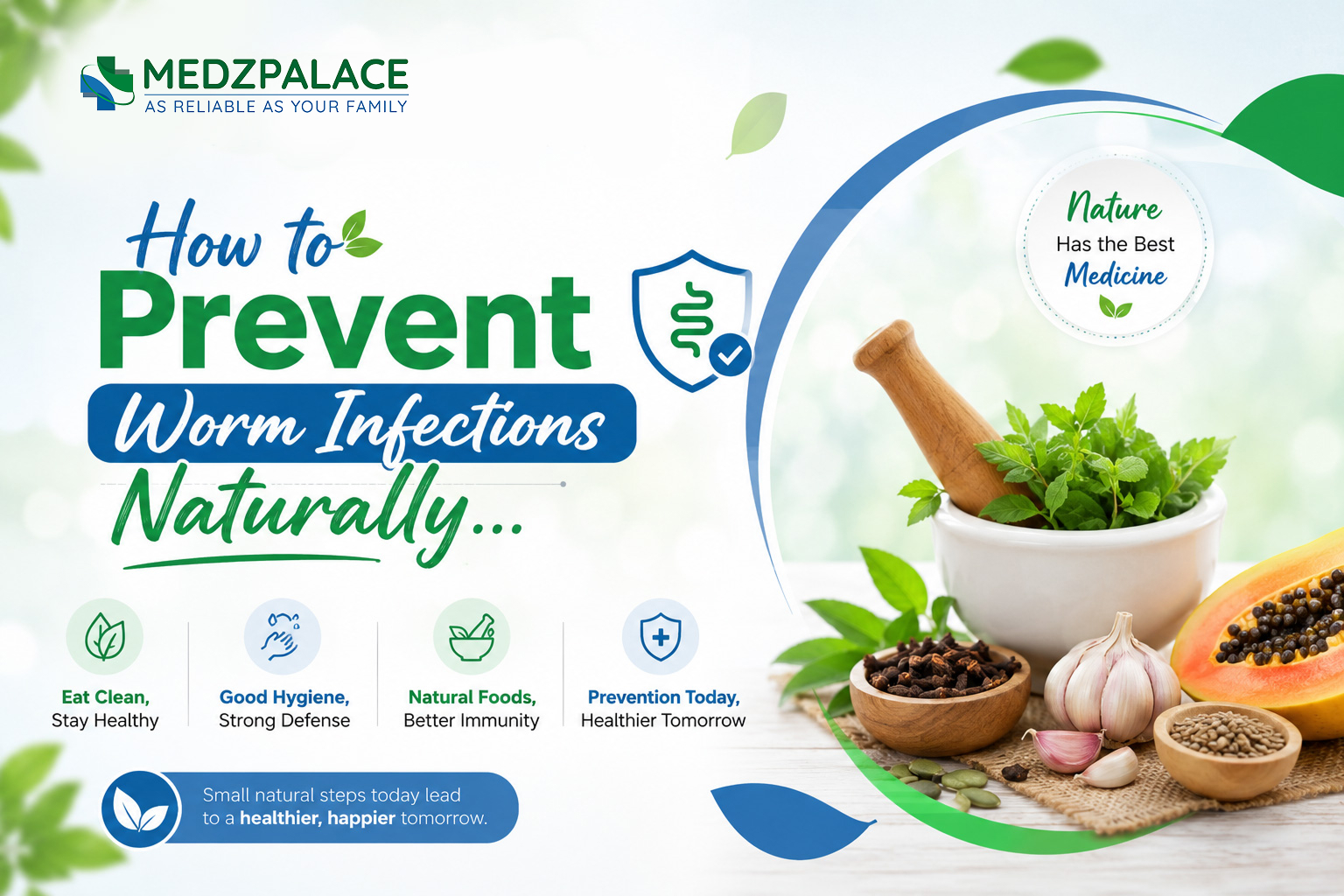
Intestinal worm infections, medically known as helminthiasis, are a global health concern affecting billions of people. While more prevalent in regions with poor sanitation, these parasitic infections can occur anywhere and in anyone, regardless of age or socioeconomic status. They are caused by parasitic worms such as pinworms, roundworms, tapeworms, and hookworms that take up residence in the human gastrointestinal tract. While effective medical treatments are available, a proactive and natural approach to prevention can significantly reduce your risk of infection. This comprehensive clinical guide explores the multifaceted strategies for naturally preventing worm infections by focusing on hygiene, diet, and environmental controls.
Understanding Intestinal Worms: A Quick Primer
Before delving into prevention, it’s crucial to understand how these infections occur. Most intestinal worms are transmitted through the fecal-oral route, meaning microscopic eggs or larvae are ingested via contaminated food, water, or hands. Some, like hookworms, can penetrate the skin. Once inside the body, they mature, reproduce, and can cause a range of symptoms from mild abdominal discomfort and anal itching to severe malnutrition, anemia, and intestinal blockages.
Common Types and Their Transmission
- Pinworms (Enterobius vermicularis): The most common worm infection in developed nations, especially among children. Transmitted by ingesting microscopic eggs, which can be found on contaminated hands, bedding, clothing, and surfaces.
- Roundworms (Ascaris lumbricoides): Contracted by ingesting eggs from contaminated soil, fruits, or vegetables.
- Tapeworms (Taenia species): Typically acquired by consuming undercooked meat (pork, beef) or fish containing larval cysts.
- Hookworms (Ancylostoma duodenale, Necator americanus): Unique in their transmission, larvae in contaminated soil penetrate bare skin, usually the feet.
Understanding these transmission pathways is the key to effective prevention, as each strategy is designed to interrupt the parasite’s life cycle.
The Cornerstone of Prevention: Hygiene and Sanitation
The most potent natural defense against worm infections is not a rare herb or a complex diet, but a consistent and meticulous approach to personal and environmental hygiene. This is the foundation upon which all other preventive measures are built.
Impeccable Hand Hygiene
Your hands are the primary vehicle for transferring worm eggs from a surface to your mouth. Proper handwashing is non-negotiable.
- When to Wash: Always wash your hands thoroughly after using the toilet, after changing a diaper, before preparing or eating food, after handling pets or their waste, after gardening, and as soon as you get home.
- Proper Technique: Use soap and warm running water. Lather for at least 20 seconds (the time it takes to sing “Happy Birthday” twice), making sure to clean the backs of your hands, between your fingers, and under your nails.
- Fingernail Care: Keep fingernails trimmed short and clean them regularly with a nail brush. Microscopic eggs can easily lodge under long nails, providing a direct route for infection.
Safe Food Preparation and Consumption
Contaminated food is a major source of parasitic infections, especially for roundworms and tapeworms.
- Wash Produce Thoroughly: All fruits and vegetables, even those with peels, should be washed under clean, running water before being peeled, cut, or eaten. This removes soil that may contain worm eggs.
- Cook Meats to Safe Temperatures: The only way to kill tapeworm larvae and other parasites in meat is through adequate cooking. Use a meat thermometer to ensure pork, beef, and wild game reach a safe internal temperature (e.g., 145°F or 63°C for whole cuts of meat and 160°F or 71°C for ground meat).
- Avoid Raw or Undercooked Meats and Fish: Dishes like steak tartare, carpaccio, and sushi carry a higher risk of parasitic infection if not sourced from a highly reputable supplier that follows specific freezing protocols to kill parasites.
- Practice Kitchen Safety: Use separate cutting boards and utensils for raw meat and produce to prevent cross-contamination. Wash all kitchen tools and surfaces with hot, soapy water after use.
Purified Water Sources
Waterborne parasites are a significant threat, especially when traveling to endemic areas. Always err on the side of caution.
- Drink Safe Water: Consume only bottled, boiled (for at least one minute), or properly filtered water. Be wary of ice cubes, as they can be made from contaminated tap water.
- Avoid Swallowing Water: When swimming in pools, lakes, or rivers, try to avoid swallowing water, which can be a source of various pathogens, including parasites.
–
Dietary Strategies: Fortifying Your Gut’s Defenses
Your diet can play a supportive role in creating an intestinal environment that is less welcoming to parasites. The goal is to strengthen your gut microbiome and incorporate foods with natural anti-parasitic properties.
Promote a Healthy Gut Microbiome
A robust community of beneficial gut bacteria can enhance your immune system and compete with pathogenic organisms for resources, making it harder for parasites to establish a foothold.
- Probiotic-Rich Foods: Incorporate fermented foods like yogurt (with live active cultures), kefir, sauerkraut, kimchi, and kombucha into your diet.
- Prebiotic Fiber: Prebiotics are the food for your good gut bacteria. Find them in high-fiber foods such as onions, garlic, leeks, asparagus, bananas, and whole grains.
Incorporate Foods with Anti-Parasitic Properties
Many traditional foods have been used for centuries for their ability to combat internal parasites. While not a substitute for medical treatment, they can be a valuable part of a preventive diet.
- Garlic (Allium sativum): Raw garlic contains a powerful compound called allicin, which has demonstrated broad-spectrum antimicrobial and anti-parasitic effects. Incorporating a clove of minced raw garlic into your daily meals can be beneficial.
- Pumpkin Seeds (Cucurbita pepo): These seeds contain an amino acid called cucurbitacin, which can paralyze worms, causing them to lose their grip on the intestinal walls and be expelled through normal bowel movements. Eat them raw and unsalted for maximum benefit.
- Papaya Seeds (Carica papaya): Papaya seeds are rich in the enzyme papain and an alkaloid called carpaine, which have been shown to be effective against helminth worms. They have a peppery taste and can be ground and added to smoothies or salads.
- Pineapple: This tropical fruit contains a digestive enzyme called bromelain, which can help break down the protective cuticle of parasites like tapeworms, making them vulnerable to the digestive system.
- Turmeric: The active compound, curcumin, is a potent anti-inflammatory and antimicrobial agent that can help support gut health and create an inhospitable environment for worms.
Foods to Limit
Parasites thrive on simple carbohydrates and sugar. Limiting your intake of these can help make your intestinal environment less favorable for them. Reduce consumption of processed foods, sugary drinks and snacks, and refined grains like white flour and white rice.
Exploring Herbal and Natural Supplements (A Cautious Approach)
IMPORTANT: The use of potent herbal supplements for parasite prevention or treatment should only be done under the supervision of a qualified healthcare professional, such as a naturopathic doctor or clinical herbalist. Many of these herbs are powerful and can have side effects or interact with medications. They are not recommended for pregnant or breastfeeding women or individuals with certain health conditions.
- Wormwood (Artemisia absinthium): A historically used herb containing compounds like artemisinin that are toxic to a wide range of parasites. It is very potent and should only be used in specific formulations for short durations due to its potential toxicity.
- Black Walnut (Juglans nigra): The green hulls of the black walnut contain a compound called juglone, a powerful anti-parasitic, antibacterial, and antifungal agent. It is a common ingredient in herbal parasite formulas.
- Cloves (Syzygium aromaticum): The essential oil of cloves contains eugenol, one of the most powerful germicidal agents in the herbal kingdom. It is particularly valued for its purported ability to destroy parasitic eggs and larvae.
- Oregano Oil: Rich in the phenols carvacrol and thymol, oregano oil has potent antimicrobial properties that can disrupt the cell membranes of pathogenic organisms, including parasites.
Lifestyle and Environmental Control Measures
Your daily habits and home environment are final pieces of the prevention puzzle.
- Wear Shoes Outdoors: Never walk barefoot in areas where the soil could be contaminated with human or animal feces. This is the primary way to prevent hookworm infections.
- Pet Health: Regularly deworm your pets according to your veterinarian’s recommendations. Worms like roundworms can be transmitted from pets to humans. Always wash your hands after petting animals and handle their feces with care (using a bag or scooper).
- Home Cleaning: For households with young children, be extra vigilant. Wash bedding, pajamas, and towels frequently in hot water to kill pinworm eggs. Open curtains and blinds during the day, as sunlight can destroy pinworm eggs. Regularly wipe down surfaces like doorknobs, faucets, and toys.
When to See a Doctor
Natural prevention is powerful, but it is not a substitute for professional medical care if an infection is suspected. Self-treating without a proper diagnosis can be ineffective and potentially delay appropriate care.
Symptoms of a Worm Infection
Consult a healthcare provider if you or a family member experiences persistent symptoms such as:
- Abdominal pain, cramping, or bloating
- Unexplained weight loss
- Nausea or vomiting
- Diarrhea or constipation
- Anal or vaginal itching, especially at night (a classic sign of pinworms)
- Fatigue and weakness
- Visible worms or worm segments in the stool
A doctor can confirm a diagnosis through a stool sample analysis (ova and parasite test) or other methods and prescribe highly effective and safe antiparasitic medications (anthelmintics) if necessary.
Frequently Asked Questions (FAQs)
Can you get worms from your pets?
Yes, certain parasites, known as zoonotic parasites, can be transmitted from animals to humans. The most common are roundworms (Toxocara) from dogs and cats. This typically occurs when a person accidentally ingests eggs from contaminated soil or surfaces where a pet has defecated. Regular deworming of pets and good hand hygiene are the best preventive measures.
How often should one do a “parasite cleanse”?
The concept of routine “cleanses” is not supported by mainstream clinical evidence. Proactively and consistently applying the prevention principles of hygiene, food safety, and a supportive diet is far more effective than an occasional, aggressive herbal cleanse. If you suspect an infection, seek a proper diagnosis rather than attempting to self-treat with a cleanse kit.
Are worm infections common in developed countries?
Yes. While severe, debilitating infections are less common, certain infections are very prevalent. Pinworm infection is the most common worm infection in the United States and Western Europe, frequently spreading through daycare centers and elementary schools.
Are all-natural parasite supplements safe?
No, “natural” does not automatically mean “safe.” Many anti-parasitic herbs are very potent and can cause significant side effects, interact with prescription medications, or be harmful to the liver if used improperly. Always consult with a healthcare professional before taking any herbal supplements for this purpose.
Medical Disclaimer
The information provided in this article is for educational and informational purposes only and is not intended as medical advice. It is not a substitute for professional medical advice, diagnosis, or treatment. Always seek the advice of your physician or other qualified health provider with any questions you may have regarding a medical condition. Never disregard professional medical advice or delay in seeking it because of something you have read in this article.